Best European job boards for employers in 2026
Ask ten recruiters where to post a job in Europe and you get ten different answers, because there is no single European job board. Hire in Berlin and StepStone wins. Hire in Warsaw and it is Pracuj.pl. Hire remotely across the continent and you are back to Indeed and LinkedIn.
This guide is a shortlist of the European job boards worth an employer's budget. It groups them by reach, gives real prices and the free options, and shows a way to post across them without ten logins and ten inboxes.
A quick scope note. "Europe" here means the EU and EEA hiring markets. EURES is the EU-wide public network, covered first. The UK is a separate market after Brexit, so it gets a short pointer near the end.
And this is written for the employer doing the hiring, not the candidate looking for work.
European job boards at a glance
The hiring playbook, in your inbox
One email a week - benchmarks, AI screening tactics, and short interview templates from the 100Hires team. No product pitches.
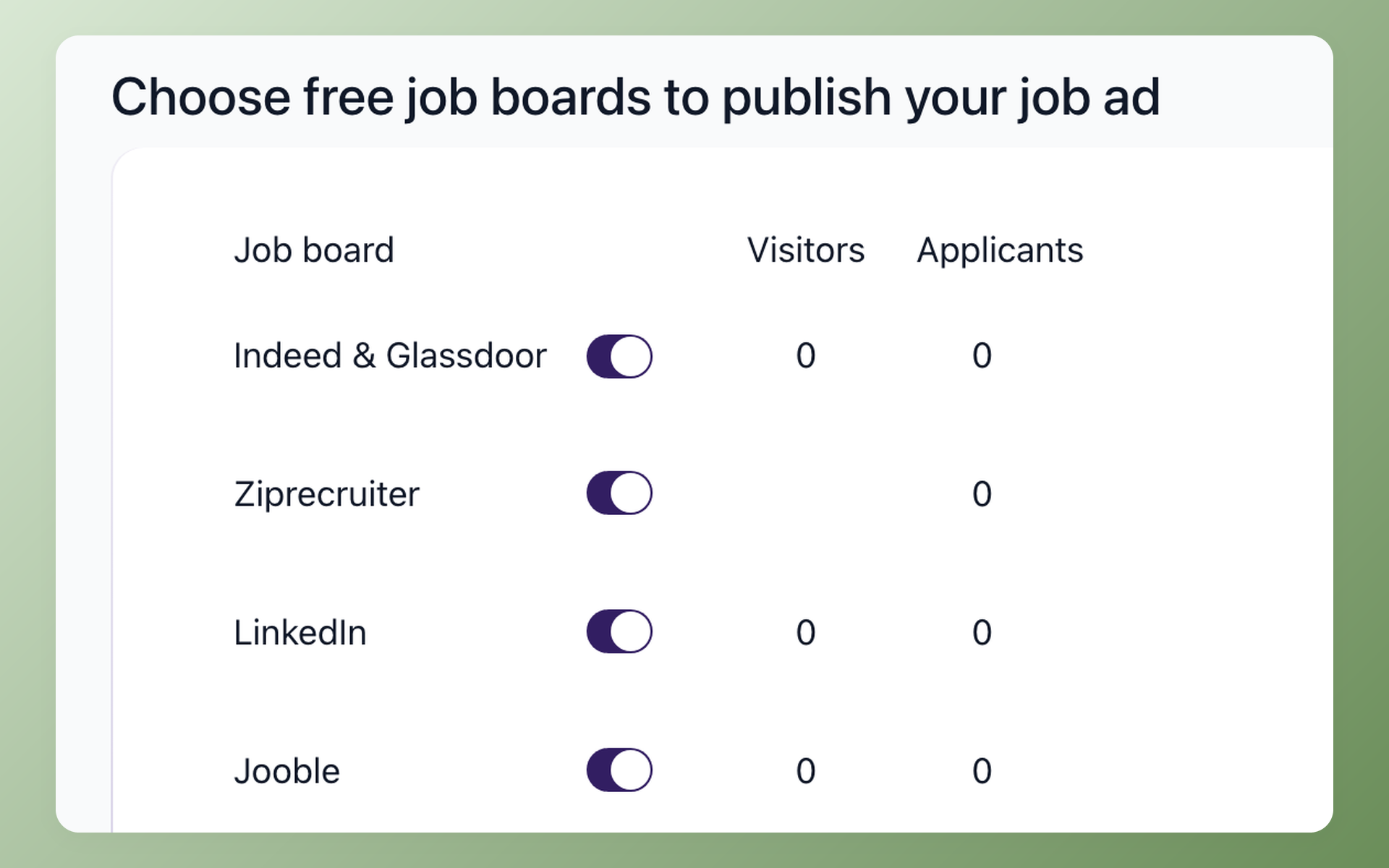
Start with the layer that ties the rest together, then the boards themselves. 100Hires is not a job board. It is the applicant tracking system that publishes to the big global boards in one action and keeps every applicant in one pipeline.
So the table leads with it as the workflow layer, then lists the boards by what each one is best for.
| Option | Best for | Coverage | Free option | Starting price |
|---|---|---|---|---|
| 100Hires (workflow layer, not a board) | Posting to global boards at once and screening centrally | Global boards with EU reach | 14-day free trial | from $49/mo (billed annually; $99 month-to-month) |
| EURES | Cross-border and hard-to-fill roles | 31 EU/EEA countries | Yes, fully free | Free |
| Indeed | Volume in any European market | Country domains across Europe | Free listings | Sponsored (pay per click) |
| Professional and English-language roles | Pan-European | One free post | Sponsored (pay per click) | |
| Google for Jobs | Passive free reach | Pan-European feed | Yes, free feed | Free |
| StepStone | Germany and the wider DACH region | DACH, 700+ partner sites | Free ad creation | from EUR 249/mo |
| Welcome to the Jungle | Employer brand, France first | France, growing in Europe | No | Custom quote |
| HelloWork | Generalist hiring in France | France | 2 free posts | from EUR 99/mo |
| InfoJobs | Spain | Spain | Unclear | Pricing page (packs) |
| Pracuj.pl | Poland | Poland | Promo only | Pricing page |
| Jobindex | Denmark and the Nordics | Denmark | Yes, QuickApply | from 1,025 DKK/ad |
| Eurojobs.com | Multilingual, cross-border roles | Pan-European | Unclear | Credit-based |
| EU Remote Jobs | Remote roles across time zones | Pan-European, remote | No | from EUR 189/listing |
One caveat on that first row: 100Hires posts to the global boards directly, but country boards like StepStone or EURES are reached through a trackable link, not a native integration. More on that below.
The table covers the headline options. The sections below add the country and niche boards worth knowing, so treat it as a starting point, not the full list.
Prices are the published starting points at the time of writing, in each board's own currency. See how job distribution software turns that first row into one click.
EURES: the free EU-wide job board most employers overlook
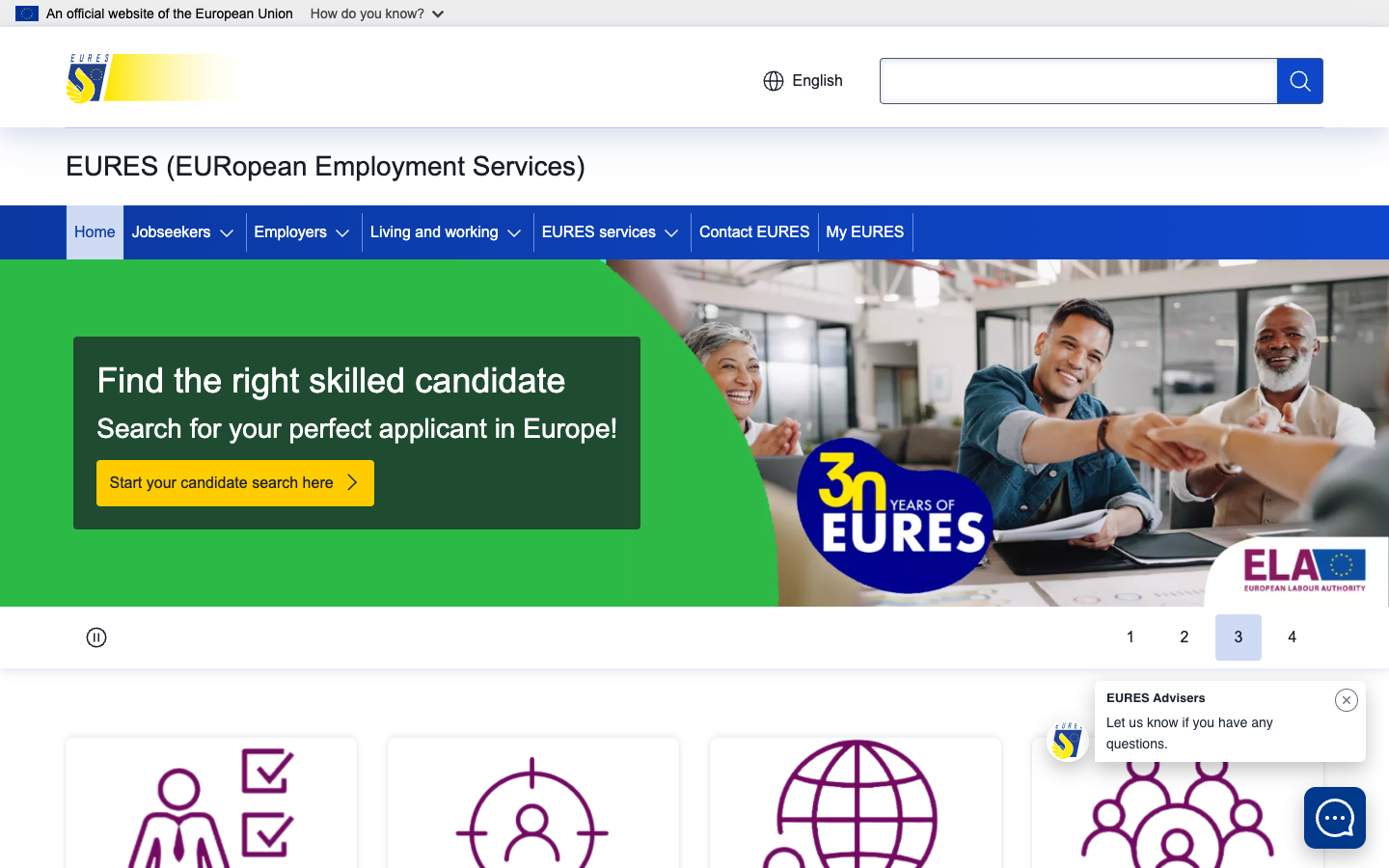
The most useful board on this list is the one most employers have never posted to. EURES is the European Commission's public employment network, and it is free.
It connects the public employment services of 31 countries, the EU and EEA plus Switzerland, into one portal. The Commission reports more than a million CVs available to employers through it.
For a role you cannot fill in one country, EURES lets you reach candidates in the other thirty who are open to relocating.
How you actually post. There is no single "post a job" button. You register as an employer through your national public employment service or the EURES portal, and your vacancy flows into the shared network.
The employer entry point lives at the official EURES employers page.
Best for: cross-border hiring and roles you cannot fill locally. EURES even runs a Targeted Mobility Scheme that pitches employers directly on tapping a Europe-wide talent pool.
The honest limit: it is a public service, not a slick product. Posting runs slower than a commercial board, the experience varies by country, and quality depends on each national service. It rewards patience, not urgency.
One note on the address. The current portal is eures.europa.eu, since the older domain no longer resolves.
Global job boards with European reach
These are the boards you already know. They carry the widest coverage across Europe, and they are the ones an ATS can post to in a single action.
Indeed
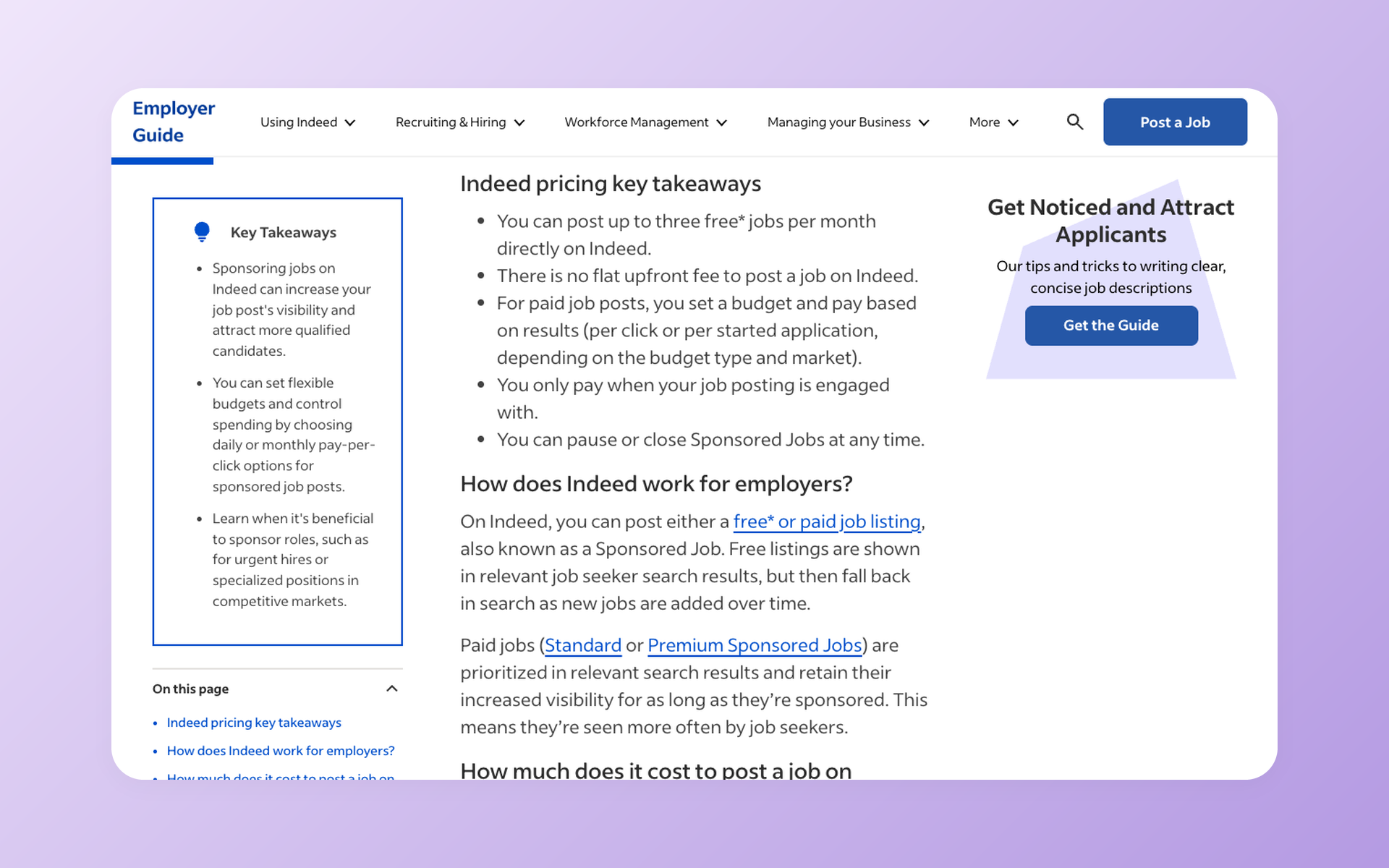
Indeed is the biggest aggregator in Europe, with live country domains for Germany, France, Spain, the Netherlands and more. It is the default for volume in almost any market.
You post for free and pay to sponsor for visibility. The catch is the one employers raise everywhere: free reach fades fast, and sponsored campaigns pull in a lot of applications that miss the mark.
Recruiters describe sponsored budgets burning through in hours on unqualified clicks. Indeed keeps reworking how it charges employers, so expect the pricing to keep shifting. Great for reach, but plan to screen hard on the way in.
LinkedIn is the default for professional and English-language roles across Europe. It pairs naturally with XING when you hire in the DACH region.
You get one free job post, then you pay to promote on a daily-budget model. Watch that budget closely. One employer described their daily spend climbing from around 11 to 156 dollars without approval, on nothing more than a jump in candidate demand.
A post you set at a low cap can quietly cost far more within days. Set a hard ceiling and check it.
Glassdoor and Google for Jobs
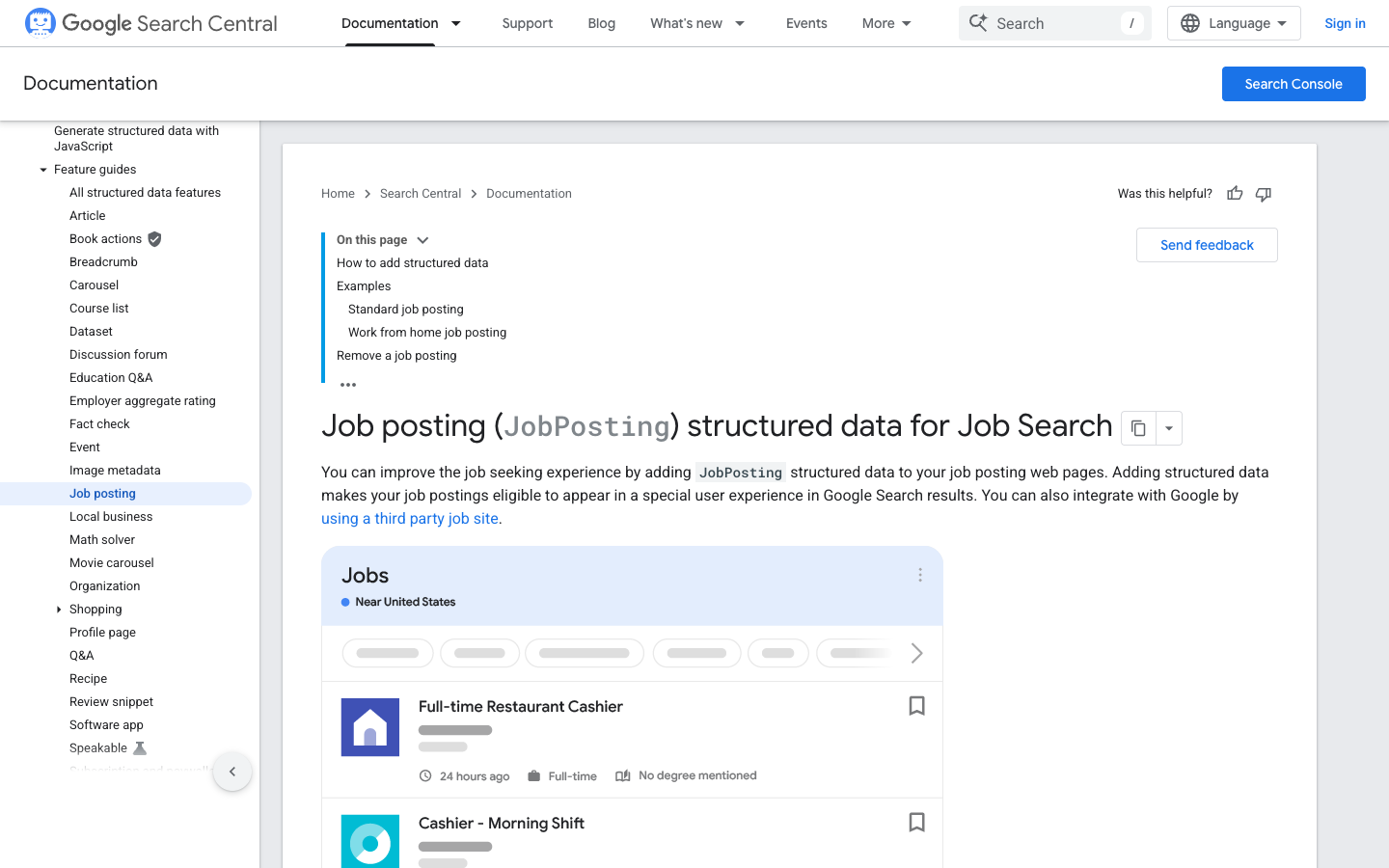
Two free-reach channels worth setting up once, both pan-European. Glassdoor no longer takes native job postings. It routes everything through Indeed, so treat it as an employer-brand surface where your reviews and ratings live rather than a place you post to.
Google for Jobs is not a board you post to at all. It is a free search feature that pulls structured job data from boards and career sites.
You get into it by posting on a board or careers site that sends structured job data to Google, which an ATS handles for you. Free passive reach, no separate account, but no control over ranking either.
Monster and the aggregators

Monster still exists, but it has faded in Europe and its published pricing appears only on its US site, starting around $8 a day. Useful as a secondary channel, not a primary one.
Aggregators like Jooble and Adzuna pull listings from many sources across a lot of countries. Best for casting a wide, cheap net when you are not sure where a candidate will come from.
Jooble has a free basic post and paid tiers above it. Adzuna hides pricing behind a demo, so you cannot self-serve. Both trade depth for breadth, so expect aggregated listings rather than a strong local brand.
One board to skip in Europe: ZipRecruiter, which is not available across European markets, whatever its US presence.
Country-leading job boards in Europe
Here is the fragmentation payoff. In most markets a local board beats the global names on local roles. These are the leaders worth knowing, kept short on purpose. Pricing and reach figures come from each board's own pages.
DACH: StepStone and XING
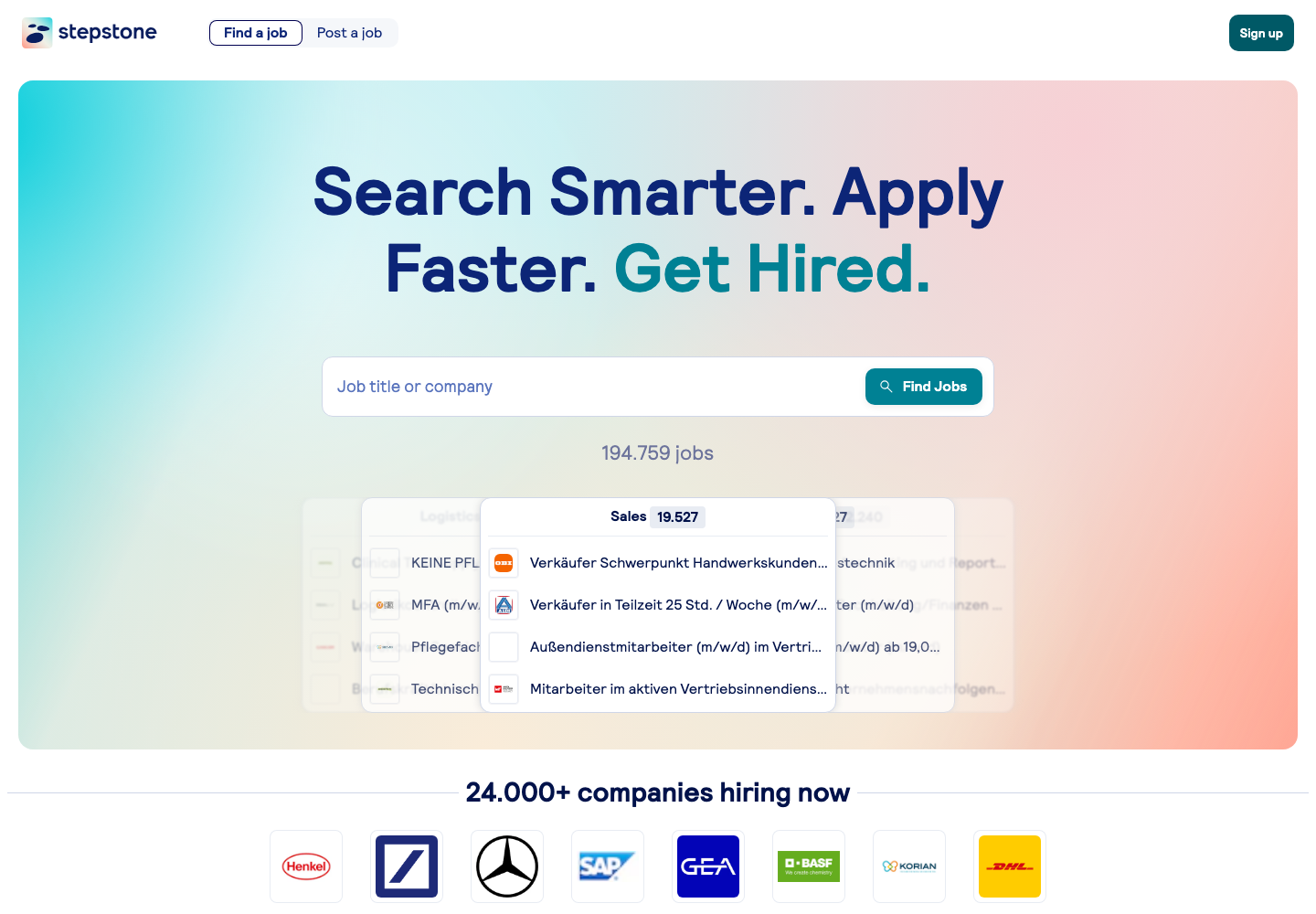
StepStone dominates Germany and the wider DACH region. It reports around 7.5 million monthly visitors and distribution across hundreds of partner sites. Single ads start near EUR 249 a month.
New customers can create an ad for free through Stepstone Recruit and pay only when it publishes. The limit is scope and cost: it is DACH-focused and priced above the generalists, often on a longer contract. If you hire in Germany, it still belongs on your list.
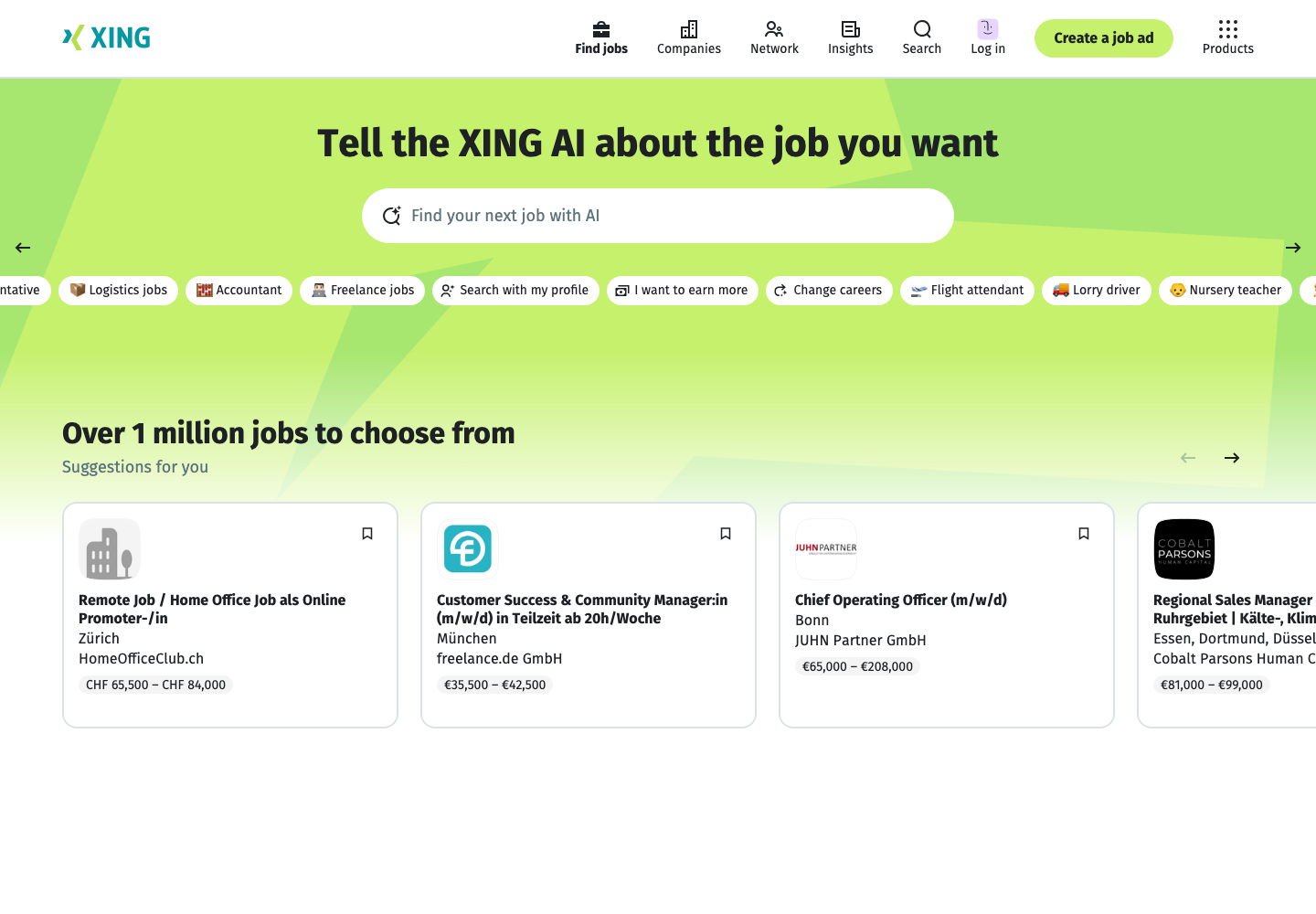
XING is the DACH professional network, with a job ad priced around EUR 1,199 and a large German-speaking user base. Its pull is slipping, though.
One 100Hires customer told us they are dropping their XING license because LinkedIn already covers the same people. Use it as a DACH supplement, not a cornerstone.
France: HelloWork, Apec and Welcome to the Jungle

HelloWork is the French generalist leader, with two free posts and paid plans from EUR 99 a month. Its reach stops at the French border, so it is a single-market play.
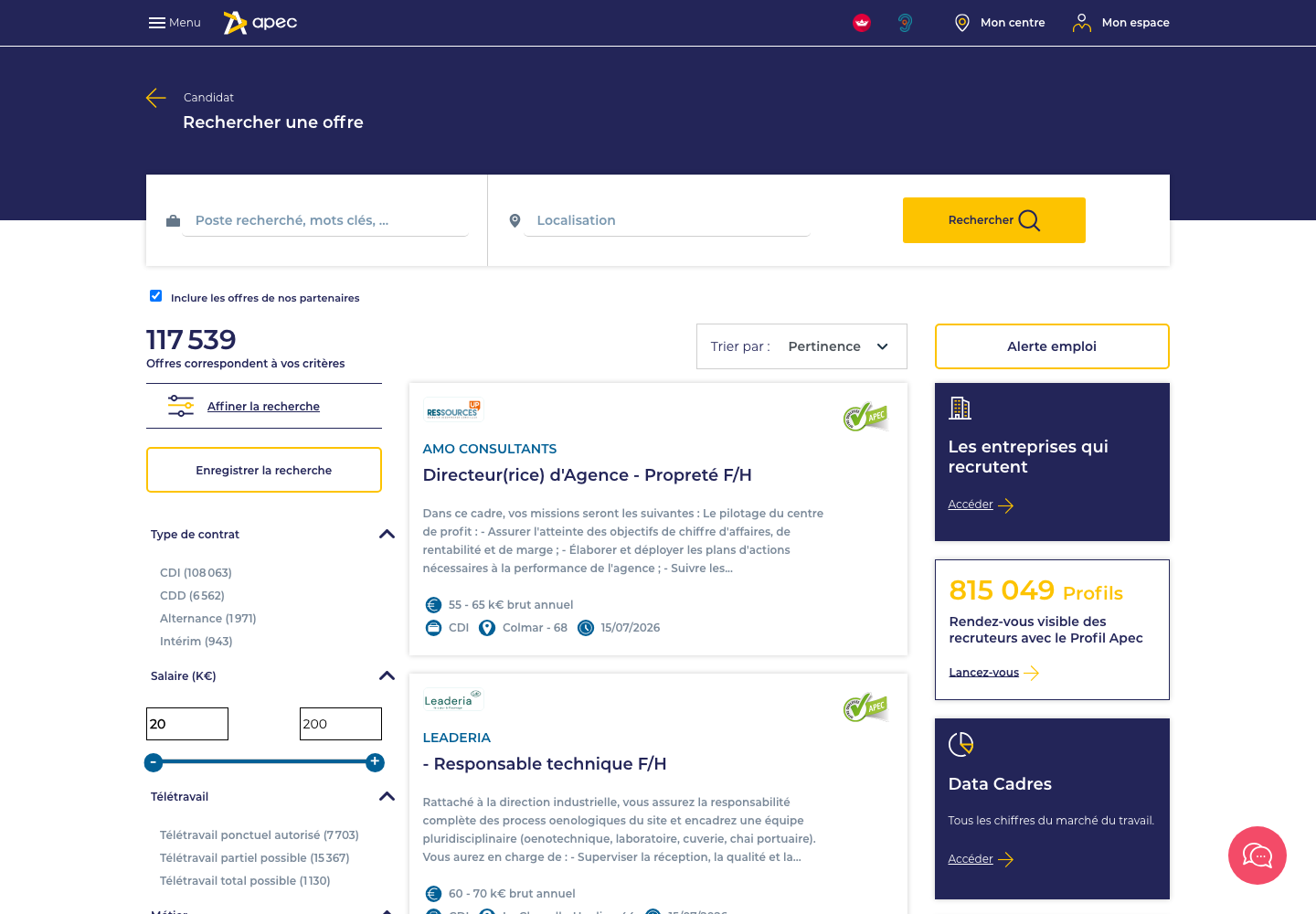
Apec is the go-to for executive and professional "cadre" roles and is free for employers to post. The trade-off is its narrow scope, since it is built for cadre hiring in France, not general staffing.
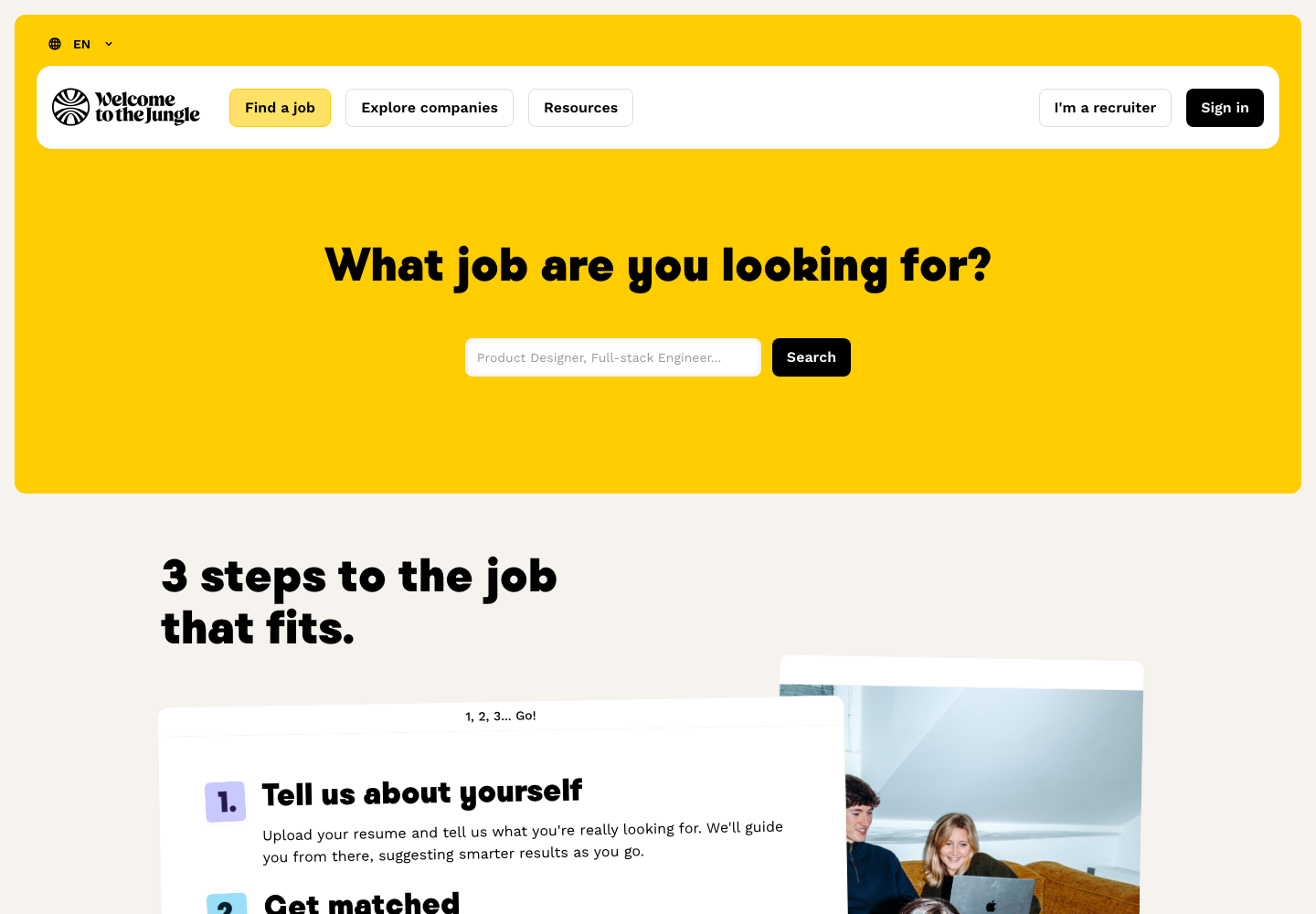
Welcome to the Jungle is the modern, employer-brand-led platform, French in origin and growing across Europe. It is priced by custom quote and leans premium, so it fits brand-forward roles more than budget hiring.
Spain, Poland and the Nordics
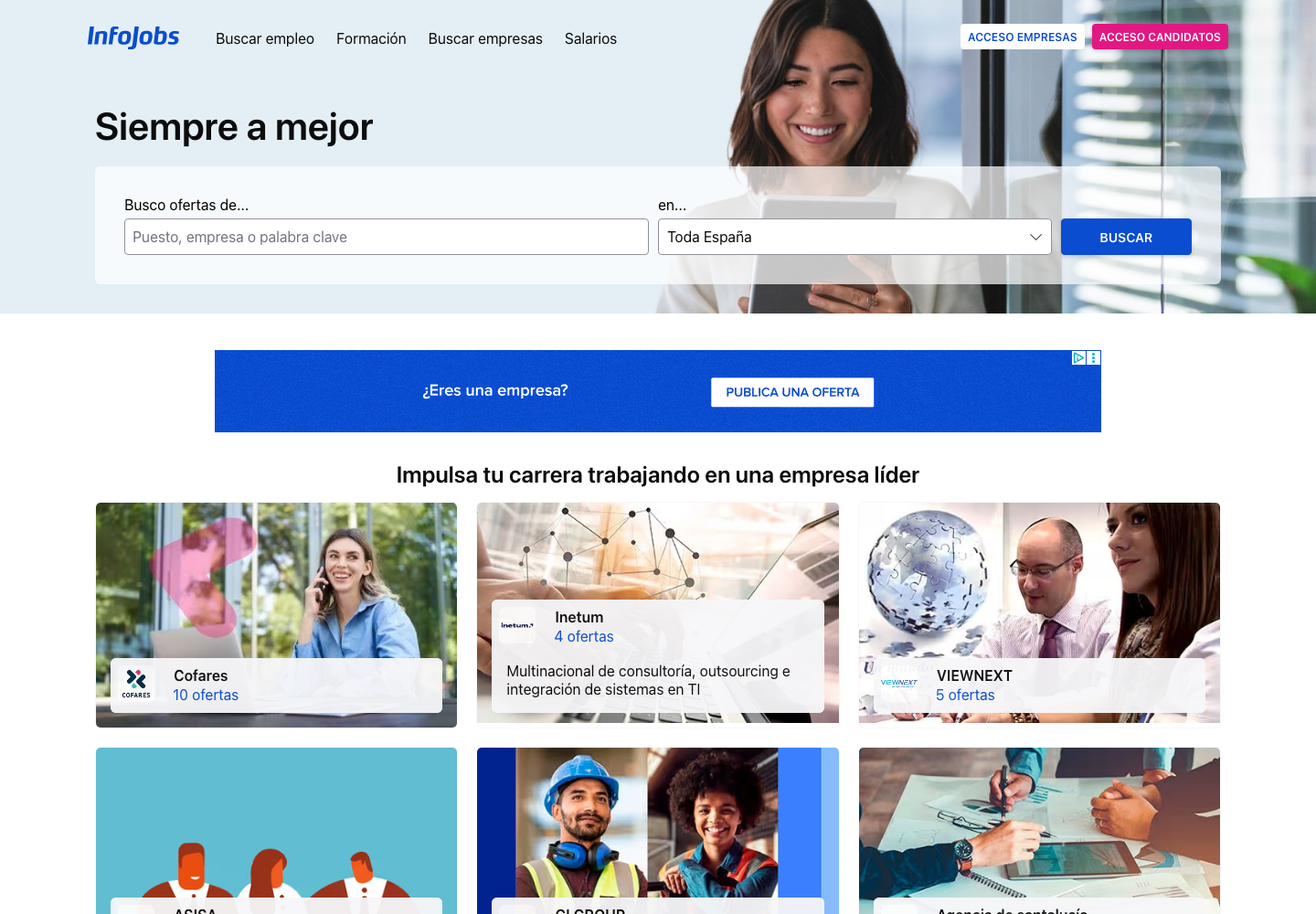
InfoJobs is the clear leader in Spain, with a large CV database. Pricing is based on packs you build in its calculator, so the real cost is not obvious until you build one, and its reach is Spain-only.
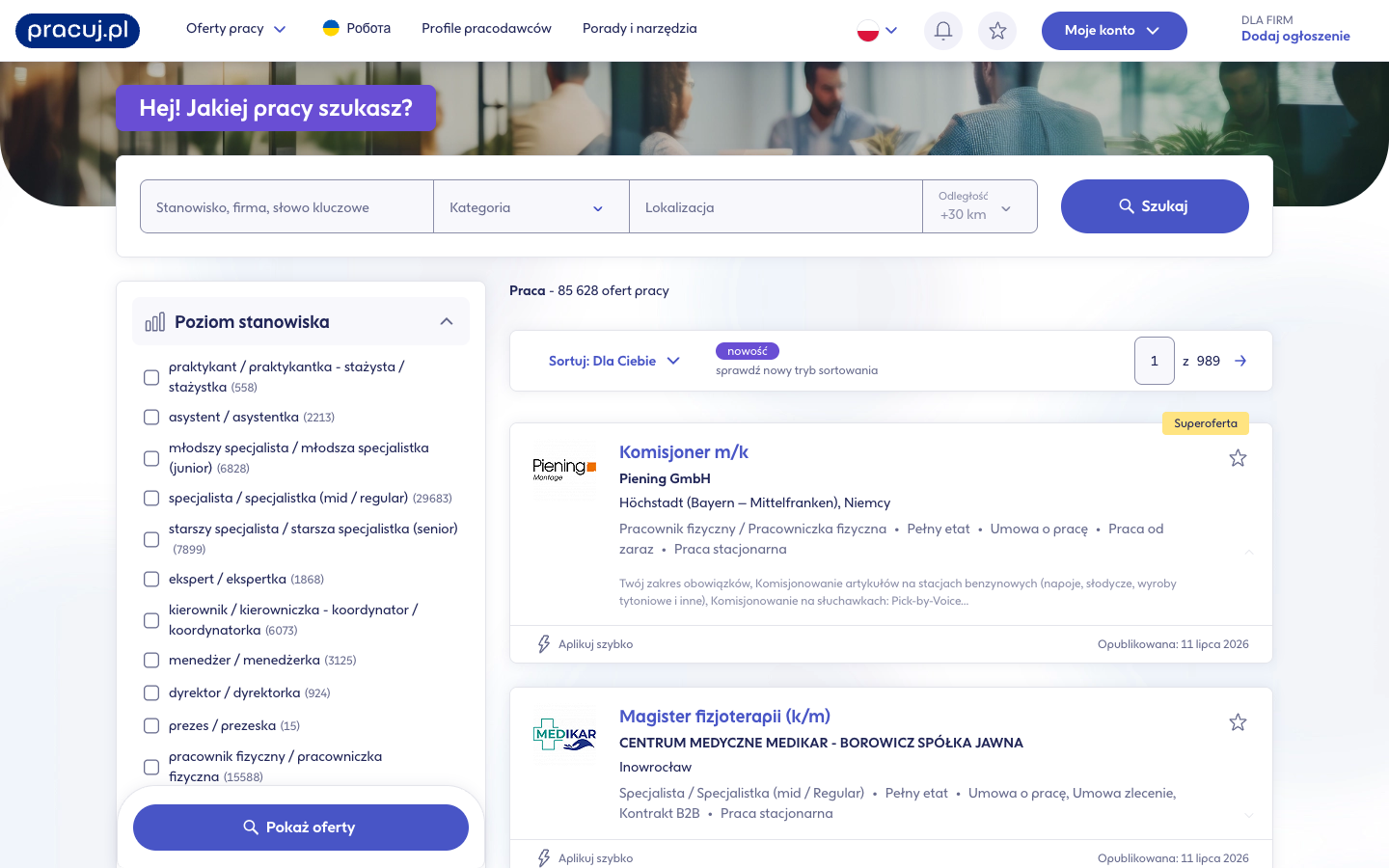
Pracuj.pl owns Poland and reports millions of monthly candidates, with pricing shown per listing. It is Poland-focused, so it is a single-market board. If Poland is a real focus, we cover it in more depth in a dedicated guide.
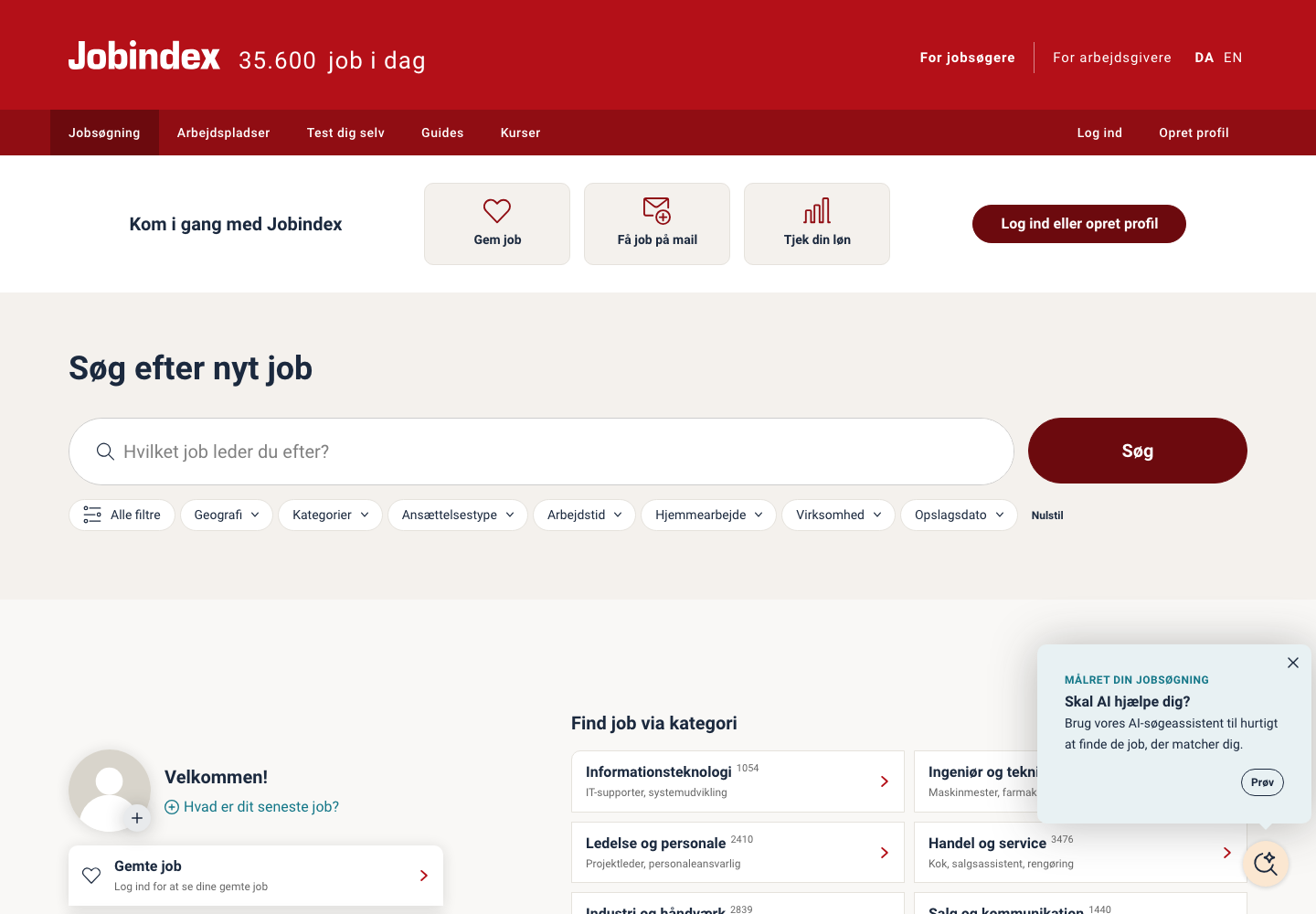
In the Nordics, Jobindex leads Denmark. It offers a free QuickApply option and a full published price list starting around 1,025 DKK for a do-it-yourself ad.
Executive packages bundle distribution across other Danish outlets. Coverage is Denmark-centric, so it fits a local hire more than a pan-Nordic search.
Every country has its own leader
The pattern repeats wherever you hire. jobs.bg in Bulgaria, Jobs.cz in Czechia, Profesia.sk in Slovakia, and a go-to board in nearly every other market. Each is single-country by design, with its own pricing and its own account.
That is exactly why posting one country at a time does not scale, and why the next section matters.
Pan-European and remote-first job boards
For roles that are not tied to one country, two smaller groups are worth a look.
Pan-European generalists
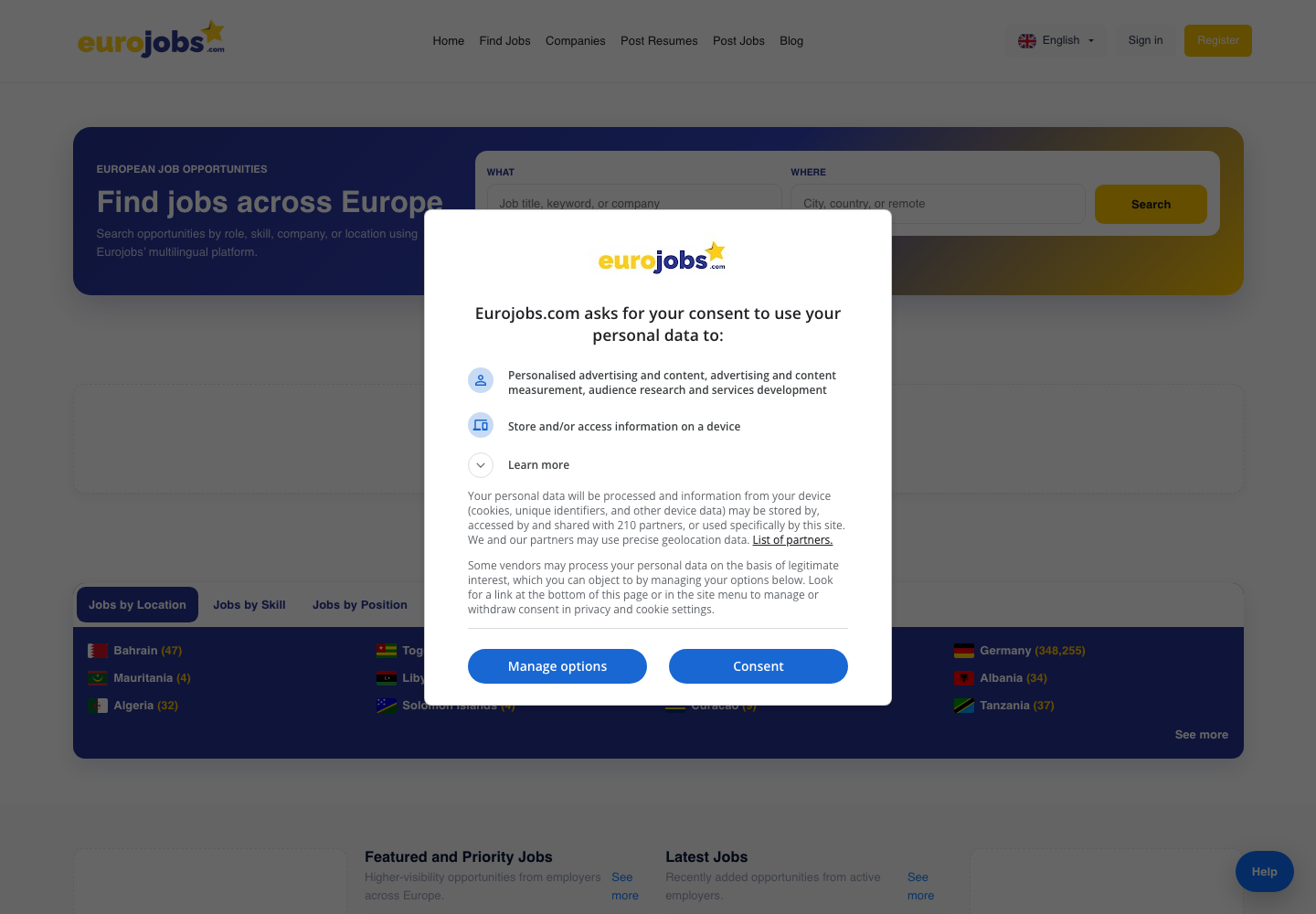
Eurojobs.com is a long-running cross-border board that runs on job credits and supports dozens of languages. Pricing is credit-based rather than a flat fee, so per-post cost takes some working out, and it is a generalist without a strong local brand.
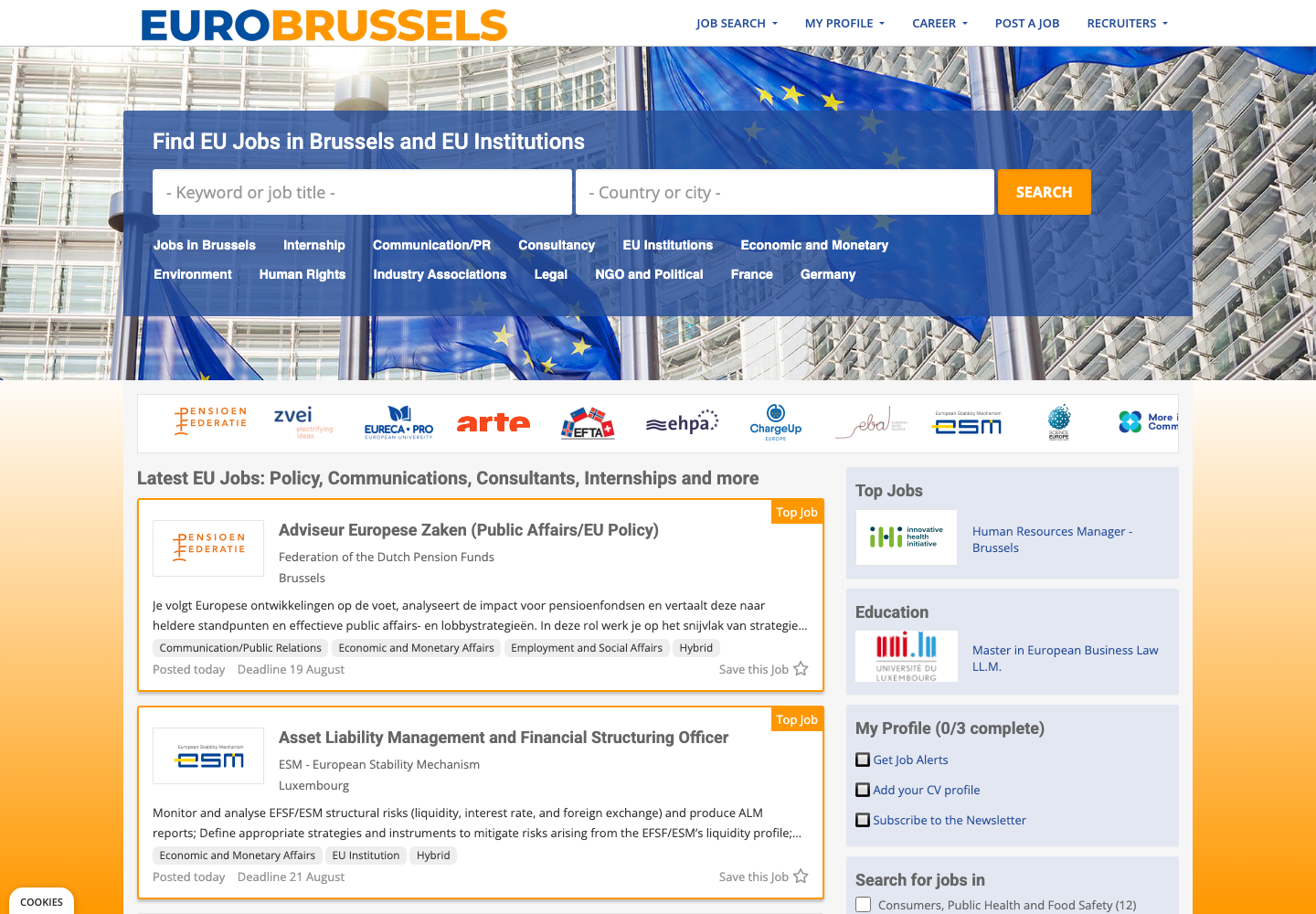
The EuroJobsites network covers EU-affairs and STEM niches through sites like EuroBrussels, with banner and newsletter pricing in euros. Its strength doubles as its limit: reach is restricted to those professional niches, not general hiring.
Europe Language Jobs is built for multilingual and expat roles across Europe, handy when the job needs a specific language. Pricing is set per package and is not published up front, so you request a plan rather than pick one off the shelf.
There is EUJobs.co too, for EU-institution work, priced from about EUR 100 to EUR 500 per listing. It is a narrow niche, so it only fits that specific kind of role.
Remote-Europe boards
EU Remote Jobs focuses on remote roles for European time zones, with listings from around EUR 189. There is no free tier, so every post is paid, and the audience is remote-only.
Landing.jobs leans tech and covers the wider European tech market, starting near EUR 99 a month on a subscription. Outside tech roles it is a weak fit.
Relocate.me targets candidates open to moving, with slots from about EUR 230. It is a relocation niche, so it works for roles with visa or relocation support and little else.
Worth knowing: there is no single established remote-Europe board, so most employers post to a couple and compare results.
How to choose European job boards and where to post jobs in Europe
With that many options, the choice comes down to four questions.
- Where is the role? For a job rooted in one country, the local leader usually beats the globals. For a distributed or remote role, start with Indeed, LinkedIn and a remote board.
- What kind of role is it? Executive hires fit Apec, tech roles fit Landing.jobs, multilingual roles fit Europe Language Jobs.
- What is the budget? There is a real sequence of free options: EURES, Apec, HelloWork's free posts, Jooble's free tier and Indeed's free listings before you spend a euro.
- Volume or fit? The global boards bring volume and noise. The country and niche boards bring fit. Most employers need both.
The takeaway: hiring in one European market usually means posting to at least two or three boards, a global one for reach and a local one for fit.
Do that across several countries and you are managing five logins and five inboxes, unless you route them through one system.
How to post across European job boards from one place
The fragmentation is the whole problem. No single board covers Europe, so hiring across it means juggling accounts, formats and candidate lists that never line up.
An applicant tracking system fixes the juggling, not by replacing the boards but by sitting on top of them.
With 100Hires you publish to Indeed, LinkedIn, Glassdoor and Google for Jobs in one action. For any country board it does not integrate with, you add a trackable link, and you screen every applicant in one pipeline.
That trackable-link step is where honesty helps. 100Hires distributes to more than a dozen global boards directly, but it does not integrate natively with StepStone, EURES or InfoJobs.
For those you post on the board itself and drop in a trackable link, so the source still shows up in your reporting even when the post was manual.
Then the harder half: screening. European boards, especially the high-volume globals, generate a flood of applications. On remote roles, recruiters say the spam can outnumber the real candidates, much of it now AI-generated from auto-apply bots.
Elimination questions are the one filter recruiters say reliably catches it. 100Hires runs that automatically. AI Score ranks applicants against your criteria, and knockout questions route the clear misses out before they reach a human.
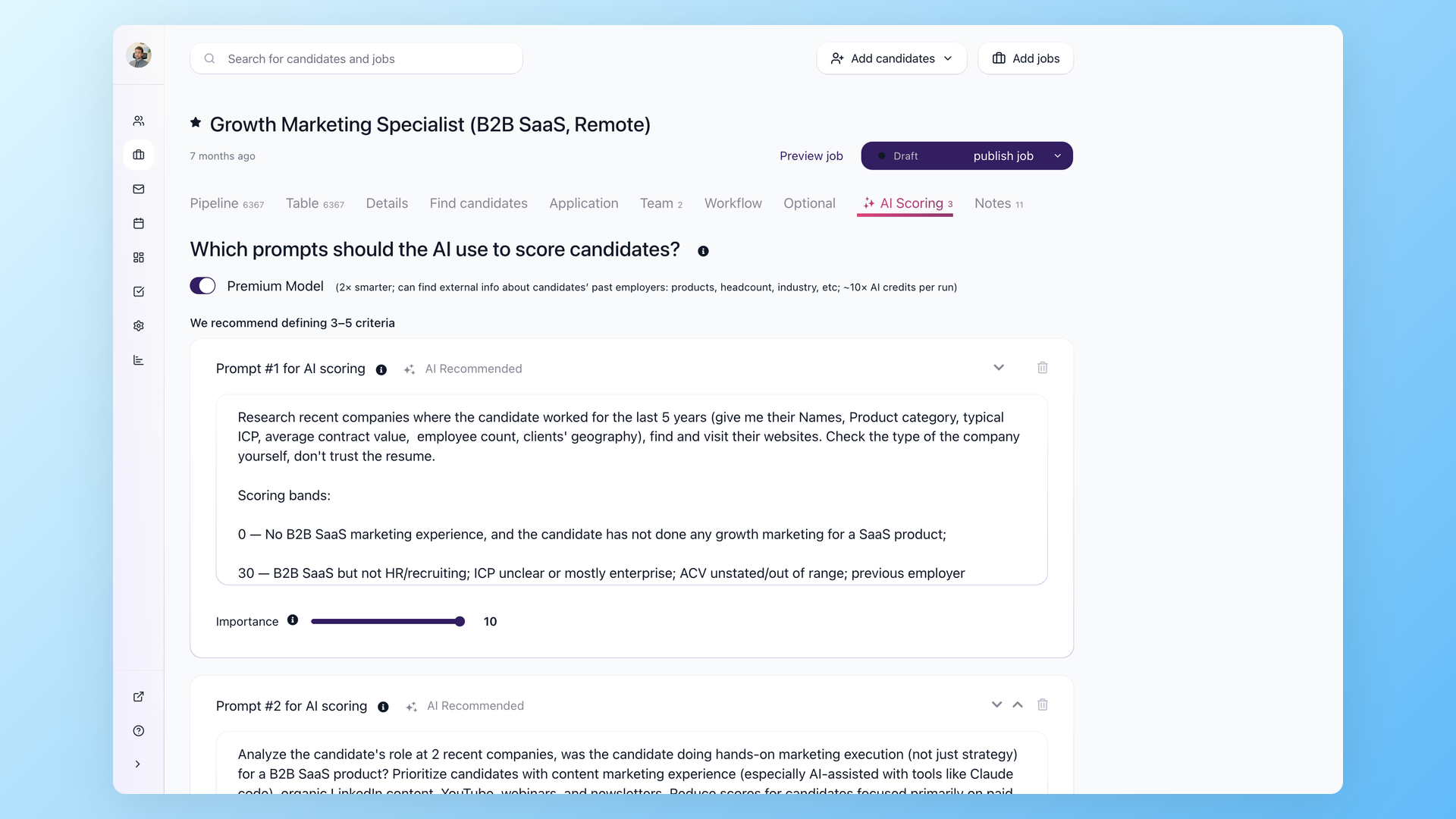
Screening features vary by plan, so check which tier fits your volume. The drafting side helps too.
The AI Copilot drafts job descriptions for you, so posting the same role across several European markets does not mean starting from a blank page each time.
None of this makes 100Hires a European job board. It is the layer that makes the boards manageable, and part of our wider guide to the best job posting sites for employers. You can start a 14-day free trial and post your first roles the same day.
GDPR and candidate data when hiring across Europe
One thing the other guides skip entirely: the moment applications arrive from boards across several countries, you are holding European candidates' personal data, and that comes with GDPR obligations.
You need a lawful basis to process applications, sensible retention limits, and a way to handle data-subject requests when a candidate asks what you hold.
Some tools push the boundaries. Recruiters have flagged personality tests as sensitive data and called out scraping sites that collect data without disclosure. The safe path is to centralize applicant data in a system built for it.
100Hires keeps candidate data in one place, with EU data residency in Germany and built-in consent handling. That is one more reason to route European applications through a single pipeline rather than a dozen board inboxes.
For the details, see our GDPR-compliant ATS overview. This is general guidance, not legal advice, so confirm your obligations for your own markets.
Hiring in the UK
If you landed here but you are really hiring in the UK, the map is different. The UK is geographically European, but after Brexit it is a separate market with its own leading boards, Totaljobs, Reed and CV-Library, and its own rules on right-to-work and data protection.
It deserves its own list rather than a footnote here. For the ATS side of UK hiring, see our applicant tracking system for UK hiring teams.
Frequently asked questions
What are the best European job boards for employers?
It depends on where you hire. EURES is the free EU-wide option, country leaders like StepStone (Germany), HelloWork (France) and Pracuj.pl (Poland) win locally, and Indeed, LinkedIn and Google for Jobs give the widest reach. 100Hires posts to the global boards in one action and tracks the country boards through trackable links, so you manage them all in one pipeline instead of a dozen logins.
Are there free job boards in Europe?
Yes. EURES and Apec are fully free for employers, HelloWork offers two free posts, Jooble has a free tier, and Indeed lets you post free before you sponsor. 100Hires publishes to the supported global boards on a 14-day free trial with no credit card; for country-specific free options like EURES or Apec, you post on the board itself and add a trackable link so every applicant still lands in one pipeline.
How do I post a job across multiple European countries?
Combine the right channels: a global board like Indeed or LinkedIn for reach, the local leader in each country for fit, and EURES for cross-border candidates. Doing that by hand means many accounts and inboxes. 100Hires publishes to the global boards at once, adds trackable links for country boards it does not integrate with, and drafts your job descriptions with its AI Copilot.
What is EURES and can employers use it?
EURES is the European Commission's public employment network covering 31 EU and EEA countries, and it is free for employers. You register through your national public employment service or the EURES portal, and your vacancy reaches candidates across the network. 100Hires can track applicants who come in through EURES using a trackable link, so that free channel still shows up in your source reporting.
Do European job boards need GDPR compliance?
If you collect applications from candidates in the EU or EEA, you are processing personal data under GDPR, which means a lawful basis, retention limits and a way to handle data-subject requests. 100Hires centralizes applicant data with EU data residency in Germany and built-in consent handling, which makes those obligations easier than tracking candidates across many board inboxes.
Try 100Hires for free
No credit card. 14-day trial. Forbes Advisor #1 ATS for SMBs.