Campus Recruiting Software
Screen the application flood for new-grad, intern and entry-level roles, rank hundreds of look-alike resumes by fit in minutes, and book interview days without chasing anyone over email.





screening candidates
response rates
time to fill
per hire
Early-careers hiring is a volume problem before it is a selection problem
A single graduate, intern, or entry-level opening can draw hundreds of applications in a few days. The resumes are thin and look alike, and AI lets one person apply to fifty roles at once, so genuine interest is hard to read. Shortlisting becomes the slowest part of hiring.
Most software built for this targets the wrong buyer. Enterprise campus suites run career-fair logistics, school relationship management, and video interviewing across thousands of campuses, with five- and six-figure contracts.
A general ATS, at the other end, is rarely configured for early-careers filters out of the box. You can capture a graduation date or a work-authorization answer, but you are building it yourself, role by role.
100Hires is built for the 10 to 200-person company hiring interns, new grads, and entry-level staff in volume, not for an enterprise with a dedicated campus events team. It is not a career-fair manager, and it does not connect to Handshake or university job boards.
It is the applicant tracking system that handles the application flood, from the first submission to the offer. The sections below show how that works for early-careers roles.
Start your review with a shortlist, not the whole stack of applications
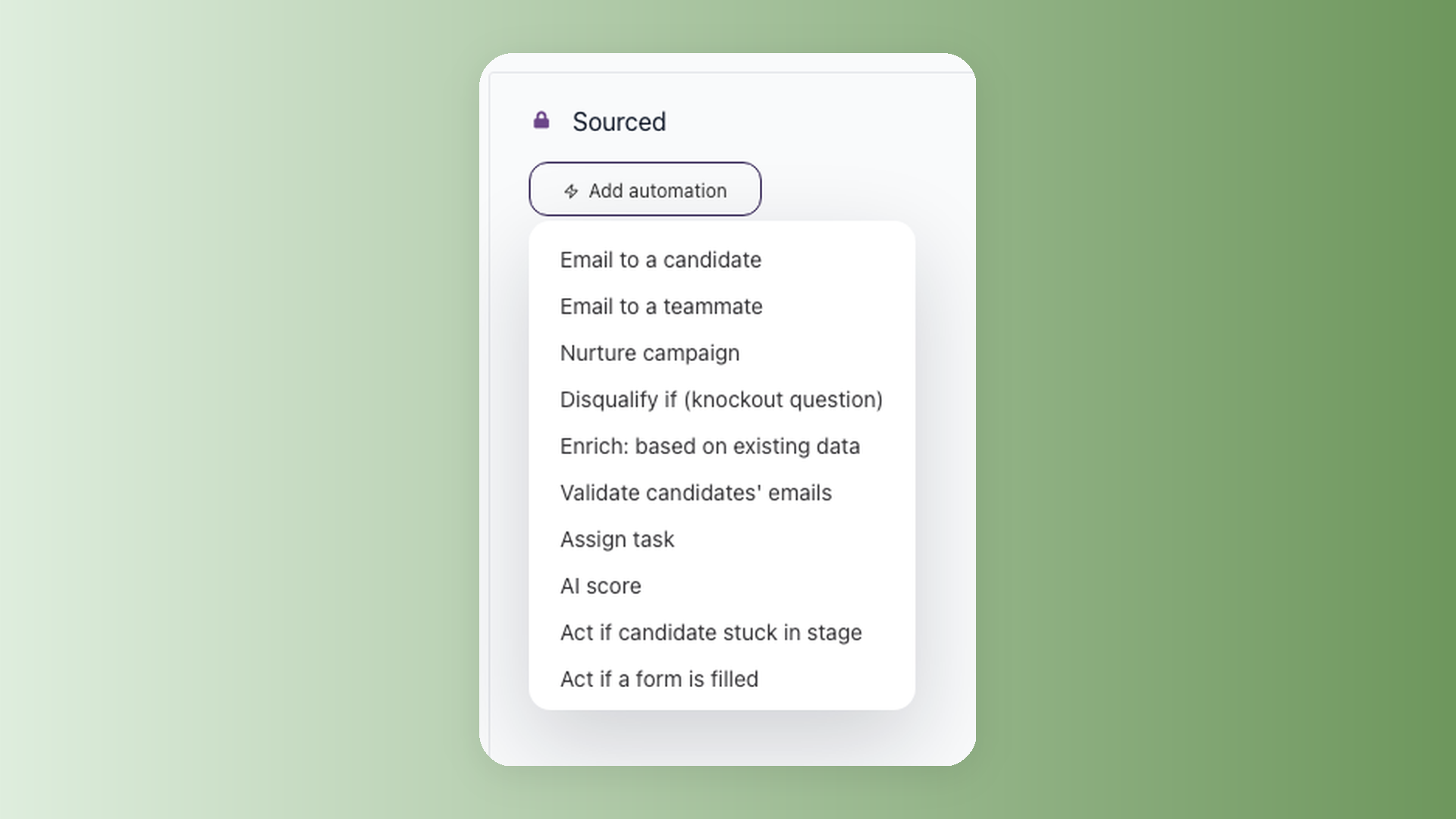
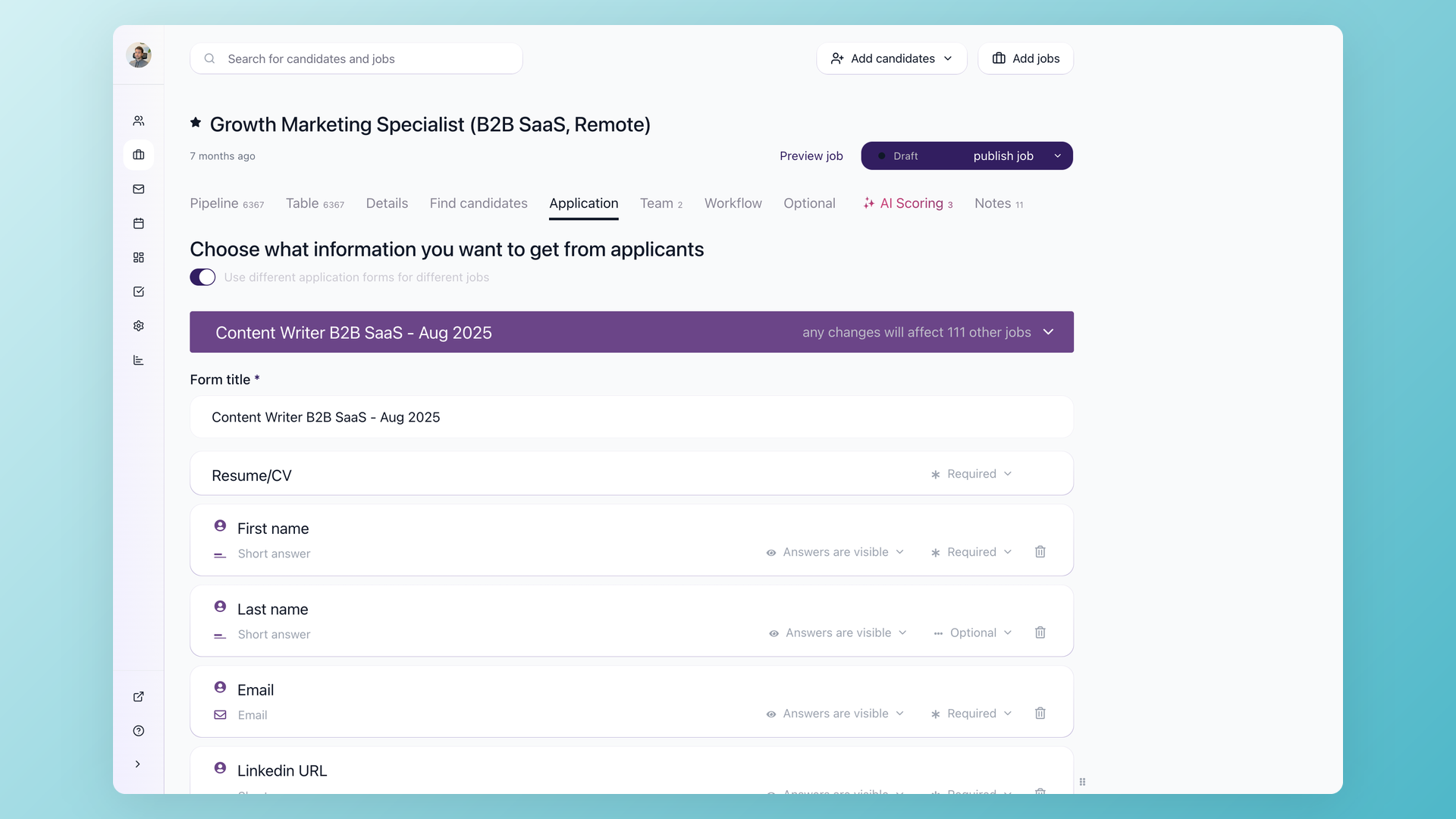
Early-careers roles have hard eligibility floors: graduation date, degree or major, work authorization, location, and intern availability. 100Hires lets you add knockout questions to any application form, so candidates answer those questions at submission and anyone who does not clear the bar is filtered out automatically. You open your review with a shortlist instead of a stack.
- Graduation date, work authorization, location at application
- Auto-filter applicants who don't qualify
- Custom knockout questions per role
- Answers visible on each candidate profile
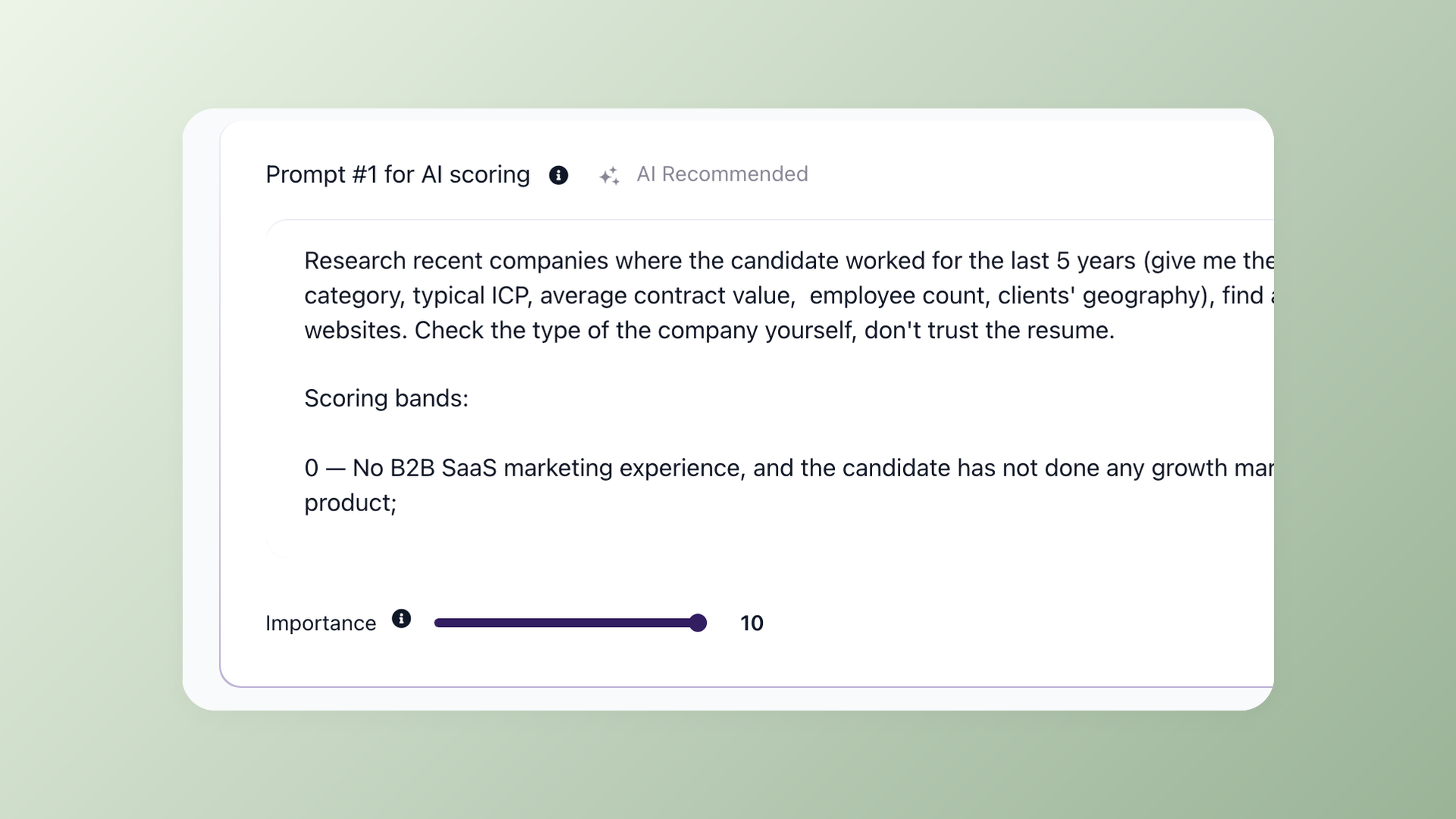
Rank hundreds of look-alike grad resumes by fit before you read one
When a new-grad posting pulls hundreds of applications in a week, reading every resume to decide who to call burns days. AI Score ranks applicants against the role the moment they apply, so the strongest fits sit at the top of the list when you sit down. It prioritizes who to review first. You and your team still make every call, with the scoring criteria visible so you can see why someone ranked where they did.
- Applicants ranked by role fit on arrival
- Scoring criteria configurable per role
- Prioritizes review, never auto-rejects
- Visible to the whole hiring team
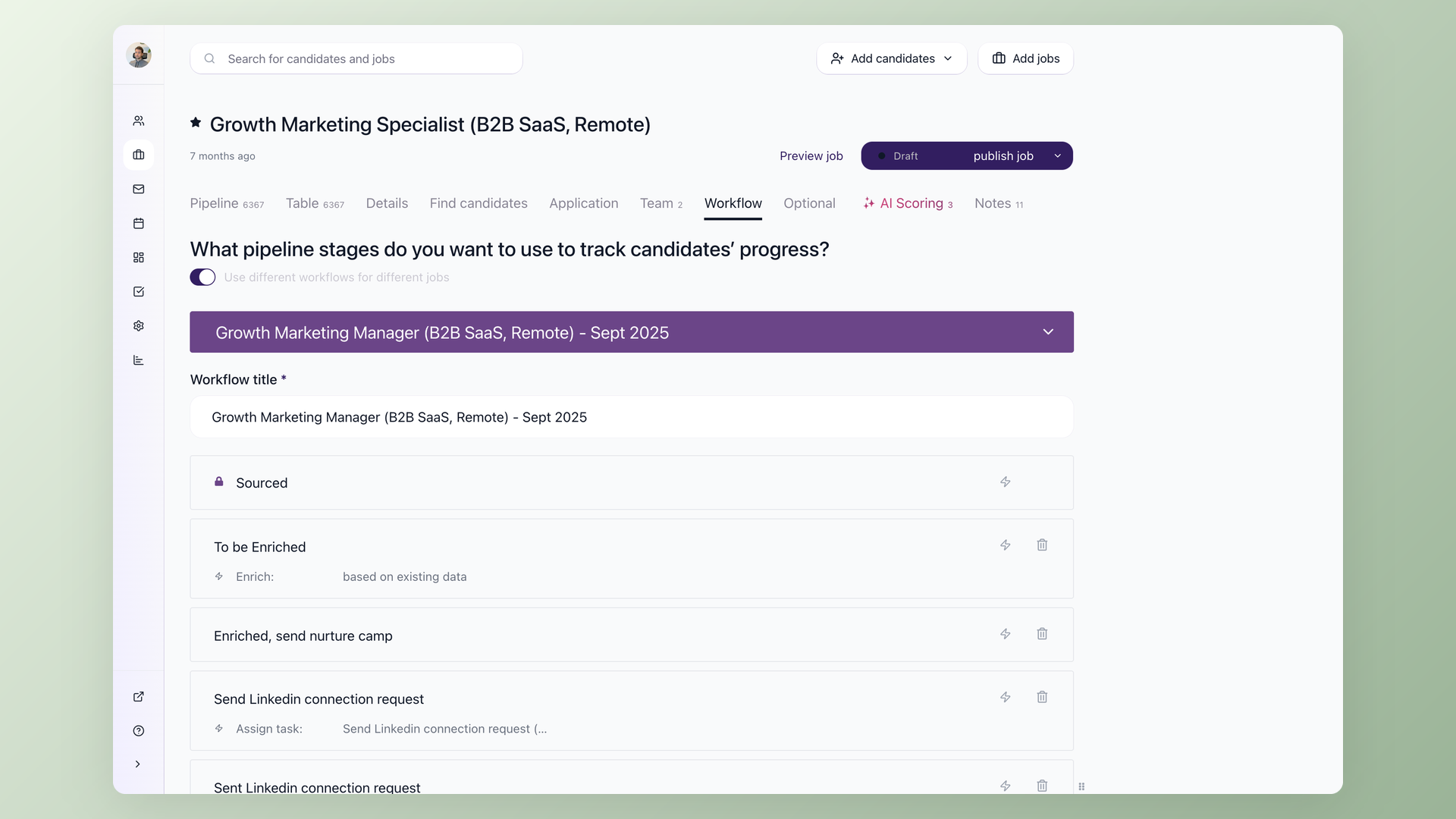
Move a whole graduate cohort through your process without losing anyone
Early-careers hiring is rarely one interview. There is an application review, an online assessment, a video or phone screen, an assessment center or superday, and then an offer. 100Hires lets you build a stage for each step, move candidates in bulk, and see where every applicant sits at a glance. Use Evaluation Forms so interviewers score candidates on potential and soft skills, the things a graduate can actually show, instead of a track record they do not have yet.
- Custom stages for your cohort process
- Bulk-move candidates between stages
- Evaluation Forms for structured scorecards
- Stage history logged automatically
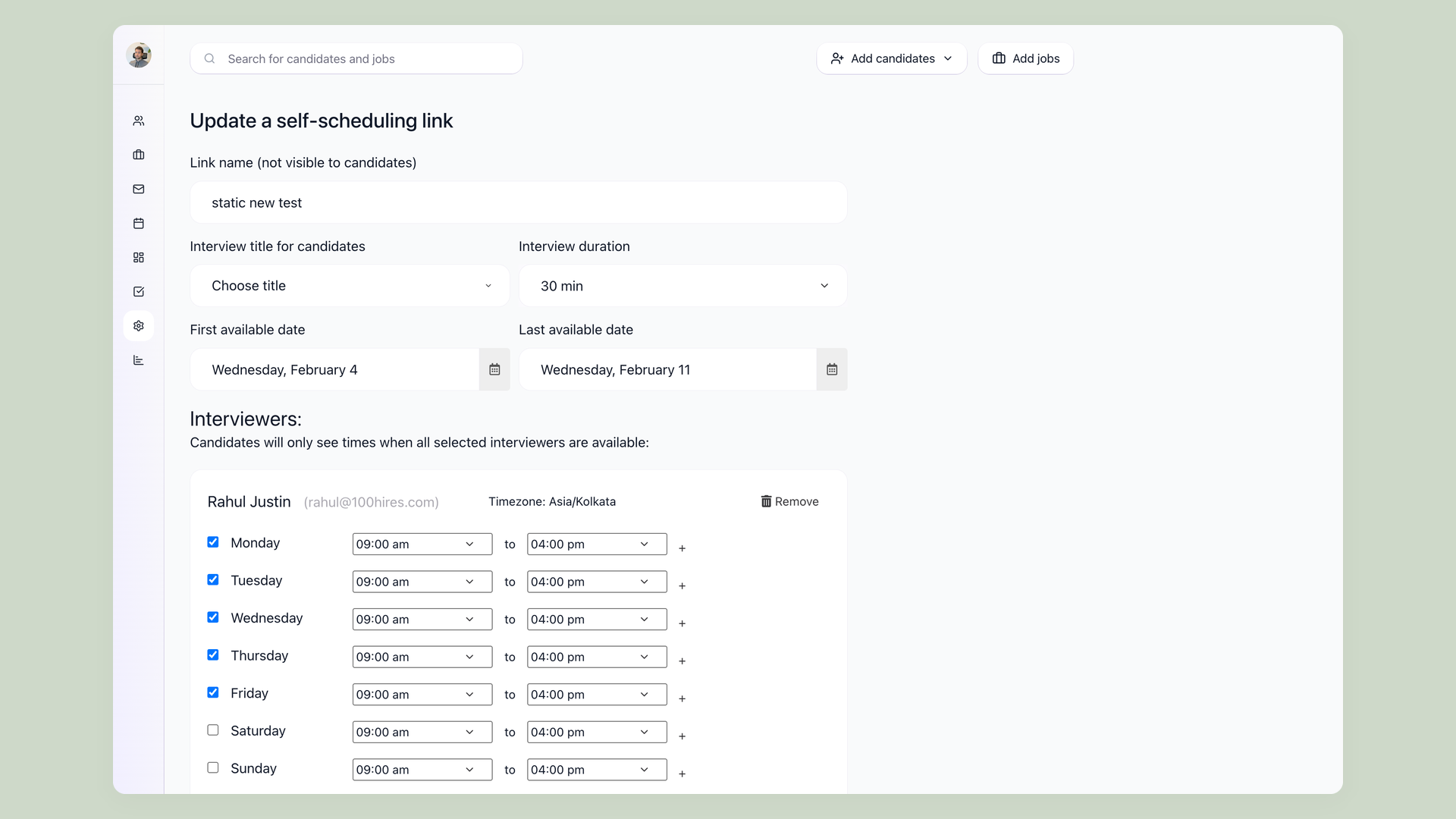
Fill an interview day without the email back-and-forth
Booking a superday or a round of first interviews across dozens of students by email is its own full-time job, and every slow reply is a chance for a candidate to drop. Send a Self-Scheduling Link and candidates pick from the open slots that fit your interviewers' calendars. Booking a time while a candidate is still interested beats a slow email thread at the stage where early-careers funnels leak the most.
- Candidates self-book open interview slots
- No scheduling email back-and-forth
- Syncs to your team's calendars
- Locks in a time while interest is high
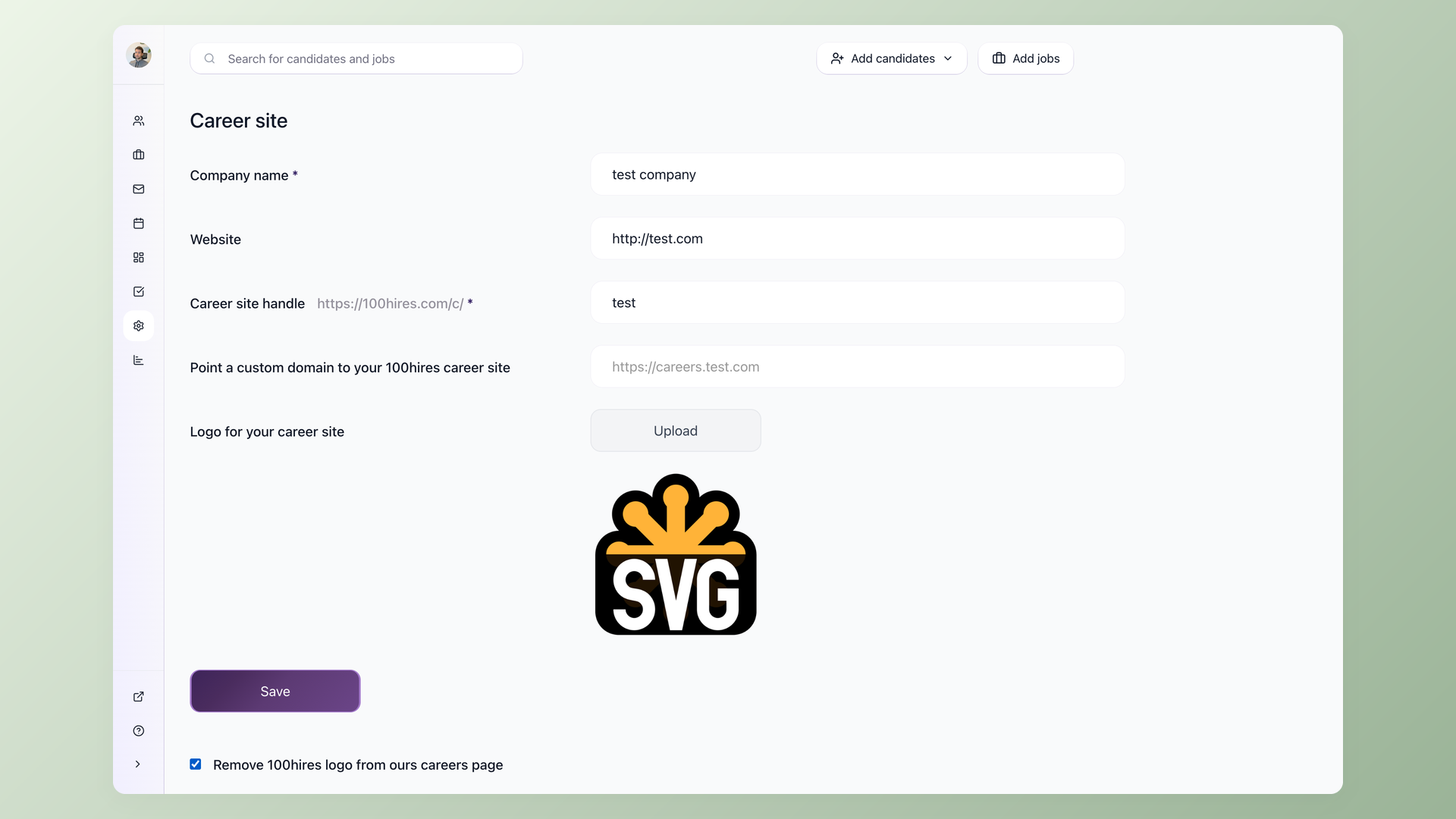
Reach early-careers talent without a campus events team
You do not have a campus CRM or a career-fair budget, and you do not need one. Build a branded careers page and share that link with university career centers and in your own outreach, then add Trackable Links to see which channel actually converts. Keep former interns and next year's graduates in Talent Pools, then re-engage them with Nurture Campaigns, so a known candidate is one email away instead of a fresh search.
- Branded careers page URL to share
- Trackable Links per source
- Talent Pools for future graduates
- Nurture interns toward full-time
100Hires vs an enterprise campus recruiting suite
Enterprise campus platforms are priced and built for large university recruiting programs. 100Hires is built for the company that needs the screening, the scheduling, and a branded careers page without a six-figure contract or a months-long rollout. It starts at $49 a month on transparent pricing.
 100Hires

It solved all of my recruitment problems and offered all of the features I was looking for. It can automate most of my recruitment processes.

I’d happily recommend it to my industry peers. I’m able to use the platform with ease and don’t have to think twice about which function to use.

The system is very user-friendly. Even people with no experience will find it easy to understand its functionality.





 4.7
4.7
 4.8
4.8
The hiring playbook, in your inbox
One email a week - benchmarks, AI screening tactics, and short interview templates from the 100Hires team. No product pitches.