
Retail recruiting in 2026: how to hire store staff who actually show up
Retail recruiting is the process of attracting, screening, and hiring staff for retail stores, from seasonal associates to district managers. Simple on paper. In practice, the store that responds fastest usually wins, and most stores respond slowly.
Hourly candidates apply to a dozen or more places at once and take the first acceptable offer.
The head of talent acquisition at 7-Eleven described this on the High Volume Hiring podcast: their applicants were applying to roughly 15 other locations at the same time, and slow follow-up was the direct cause of ghosted interviews and empty first shifts.
This guide gives you a step-by-step retail recruitment process: write ads that attract real applicants, filter them in minutes instead of hours, cut interview no-shows, and keep new hires past their first 90 days.
It starts with the question most guides skip: whether you should be doing this yourself at all.
Key takeaways
The hiring playbook, in your inbox
One email a week - benchmarks, AI screening tactics, and short interview templates from the 100Hires team. No product pitches.
- Speed beats brand in retail recruiting: hourly candidates apply to many stores at once, and the first employer to respond usually wins.
- Post the wage and the exact hours. Hidden pay is a top reason candidates silently drop out.
- Knockout questions filter the application flood before anyone reads a resume.
- A 15-minute phone screen plus a self-scheduling link with easy cancellation is the no-show fix owners keep landing on.
- Retail workers quit at a rate of roughly 31% a year, according to BLS JOLTS retail trade data, so retention tactics are part of recruiting, not a separate project.
Why retail recruiting is different
Hiring for a store is not a smaller version of corporate hiring. It runs on different math, and the math explains why the usual advice fails.
Turnover and no-shows restart the funnel
Retail workers quit at a rate of roughly 31% a year, and total separations ran about 45% in 2025, according to BLS JOLTS retail trade data.
Gallup research adds the painful part: 52% of employees who quit say their manager or organization could have prevented it, and replacing one person costs half to two times an annual salary.
Now stack the funnel on top. One store owner walked through his real numbers in a widely upvoted r/smallbusiness thread: 60 applicants on Indeed, 10 replies to his first contact, 4 or 5 interview no-shows, and one hire, who then skipped his first day.
Similar stories fill small-business forums: owners describing interview no-show rates from a quarter of bookings to nearly all of them. The experienced ones overbook interview slots the way airlines oversell seats.
Every departure restarts that whole funnel. A store that loses four associates a year is running a year-round recruiting operation whether the owner calls it that or not.
Seasonal peaks and AI-polished applications raise the stakes
Seasonal retail hiring plans in 2025 were the smallest Challenger, Gray and Christmas has tracked since 2009. Smaller plans mean each seasonal hire carries more weight, and the hiring window has not moved: December staff get recruited in September and October.
Application volume moved the other way, and the pile looks cleaner than it used to. A store owner can open 40 AI-polished applications after closing and still not know who can work Saturdays, who lives nearby, and who is eligible to work.
The problem is no longer attracting applicants. It is finding facts in the pile.
That is why the process below screens on facts AI cannot fake: availability, distance from the store, and eligibility to work. The steps below fix those failure points in order.
When to hire an agency and when to keep retail recruitment in-house
Search for retail recruiters and you will find pages of agencies. They solve a real problem, but they rarely publish the honest comparison, so here it is.
| Retail recruiting agency | Fully manual in-house | In-house process with tools | |
|---|---|---|---|
| Typical cost | Placement fee, a percentage of first-year salary per hire | No fees, but owner hours at every stage | Flat monthly subscription |
| Speed | Fast once briefed, slower to start | As fast as your calendar allows | Same-day screening and scheduling |
| Who does the work | The agency | You | You, with the repetitive parts automated |
| Candidate experience | Controlled by the agency | Controlled by you, hard to keep consistent | Controlled by you, consistent by default |
| Where it breaks | Per-hire fees at retail turnover rates | Volume, seasonal spikes, multiple locations | Needs a few hours of setup up front |
| Best for | Confidential or senior searches | Under roughly 10 hires a year | Ongoing store and multi-location hiring |
An agency earns its fee on a confidential district-manager search, or when one critical role must be filled and nobody has time to run a process. At the associate level, the economics flip: per-hire fees multiplied by retail turnover get expensive fast.
A fully manual process works if you hire a handful of people a year and follow the steps below. Once volume, seasonal spikes, or a second location enter the picture, spreadsheets and inbox hiring start dropping candidates.
The middle path keeps hiring in-house with software carrying the repetitive work.
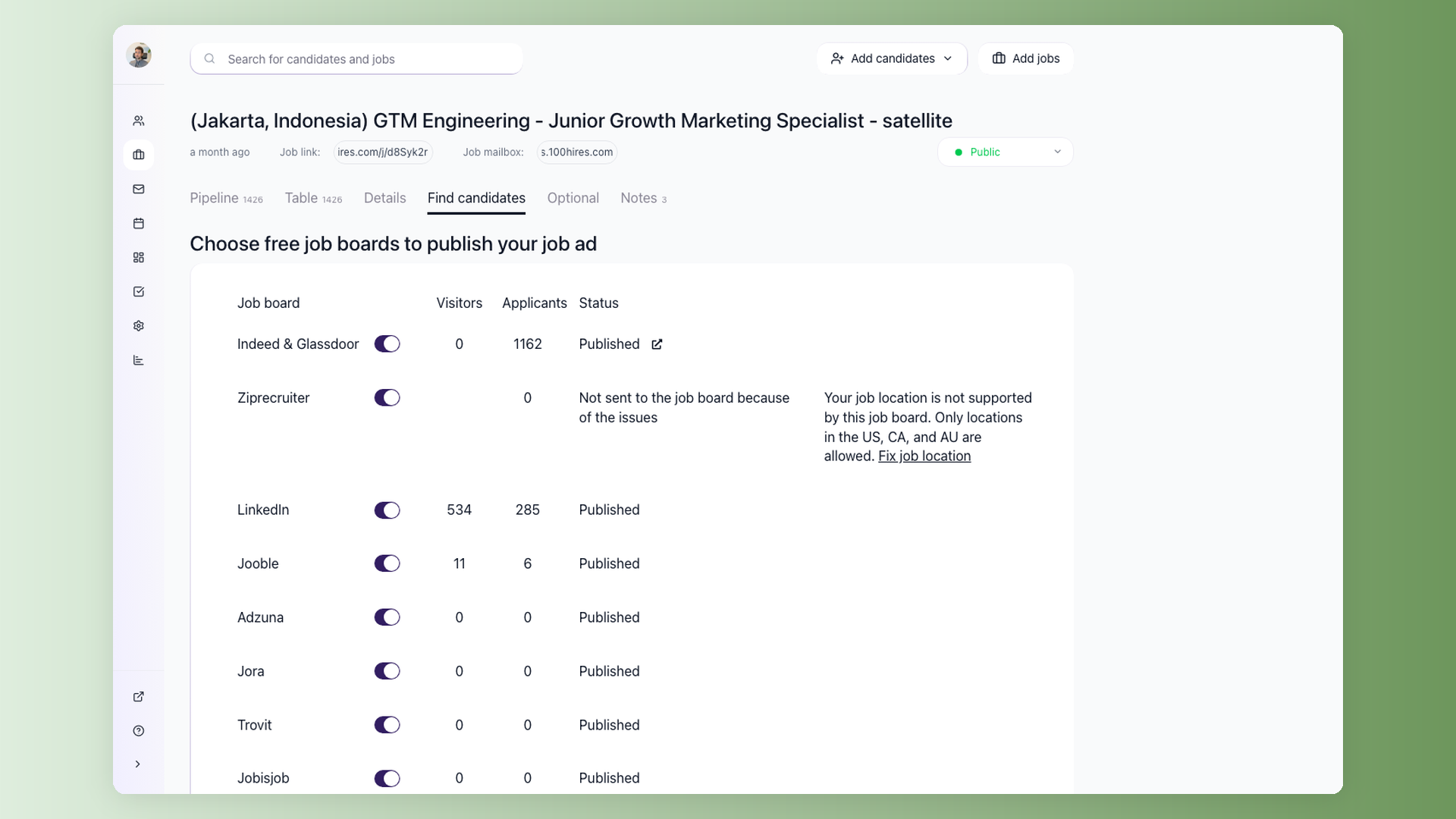
100Hires is our version of that option, built for small retail teams: one job posts to 13 job boards, knockout questions filter applicants automatically, candidates book their own interviews, and multi-store posting runs from one pipeline.
It covers the top of the funnel only. Shift scheduling and payroll live elsewhere. If that fits your setup, see the retail ATS built for multi-store hiring.
Step 1: Write a job ad that names the wage, hours, and real duties
The cheapest fix in retail recruiting costs nothing: put the actual pay in the ad. Candidates treat "competitive pay" as a warning label, and many will not respond to an ad without a number.
Hours matter just as much. An hourly rate means little when weekly hours can swing between, say, 5 and 25, and candidates know it. State the guaranteed range and the shifts you actually need covered.
Wage reality checks belong here too. One store owner posting $17 an hour in a high-cost area kept getting one-day quits over money; the local market had quietly moved to $19. If good people keep leaving fast, the ad is not the problem.
Then describe the real job. If the role is half stockroom and half register, say so, or you will pay for the surprise in week one.
Before you post, read five ads from stores within the same commute radius. Check their wage, weekend requirements, closing shifts, and promised hours, then make your ad clearer on the one thing candidates will compare first.
Step 2: Post where retail candidates actually look, then work the warm channels
Start with the boards everyone checks. Indeed often produces the most hourly applicants, so budget for it deliberately rather than by default, and post to job boards in one pass instead of logging into each one.
The channels retail coaches keep recommending before paid ads are warmer:
- Employee referrals with a real cash bonus, paid after the new hire stays through the first few weeks. Referred hires come pre-screened by someone who knows the job.
- Your own customers. Regulars already like the store, show up reliably, and know the products.
- A QR code by the register linking to your careers page, so walk-in interest becomes an application instead of a paper resume that gets lost.
- Local Facebook groups, which several small-business owners rate above the big boards for real local applicants.
- Group hiring events. One Swarovski store manager described running an audition-style session for ten candidates: a styling exercise and real conversations instead of rapid-fire resume interviews.
For seasonal staff, start two to three months before the peak. Recruiters posting Santa roles in July are not joking. They are early, and early wins.
Step 3: Screen with knockout questions before reading a single resume
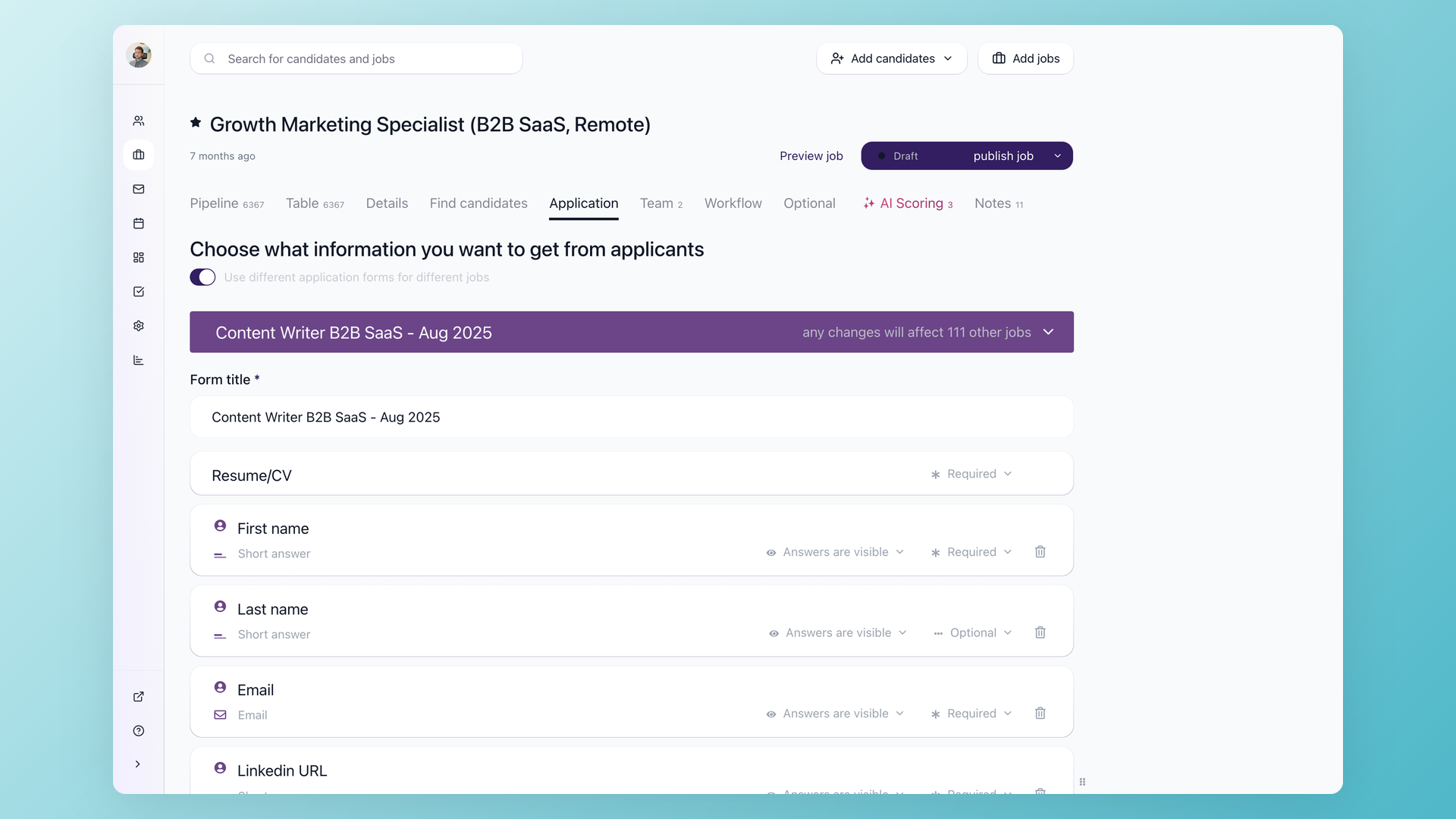
At retail volume, reading resumes first is the wrong order. Start with four to six yes-or-no questions on the application that capture the facts retail hires actually turn on.
The classics: Are you 18 or older? Can you work weekends? How far do you live from the store? Are you legally authorized to work in the US?
Keep that last one to the exact authorization wording; the EEOC guidance on pre-employment inquiries explains what you can and cannot ask. If you hire under-18s, check your state's work-permit and hour-restriction rules first.
Applicants who fail a hard requirement get a polite automatic rejection email, which is more respectful than the silence most stores default to. Borderline answers route to a review queue for a human look rather than an instant no.
The filter removes a meaningful share of the pile. In our own hiring funnel at 100Hires, 22% of applicants are disqualified by knockout questions before anyone opens a resume.
Structured questions have a second advantage in the AI era: they beat keyword matching. When every resume is polished to sound perfect, a direct question about Saturday availability still gets a true or false answer.
Step 4: Respond the same day and let candidates book their own interview
Nothing in this guide moves results more than answer speed. 7-Eleven cut its hiring cycle from more than two weeks to under three days, and their TA lead credits that change with fixing both ghosted interviews and empty first shifts.
Think about who applies for a midnight shift. They apply at 2am and expect an answer before morning. A reply next week reaches someone who already works somewhere else.
The playbook small-business owners converge on, after years of no-shows, has two parts. First, a 15-minute phone screen the same day or the next: one owner and his partner screen 16 candidates in two hours this way.
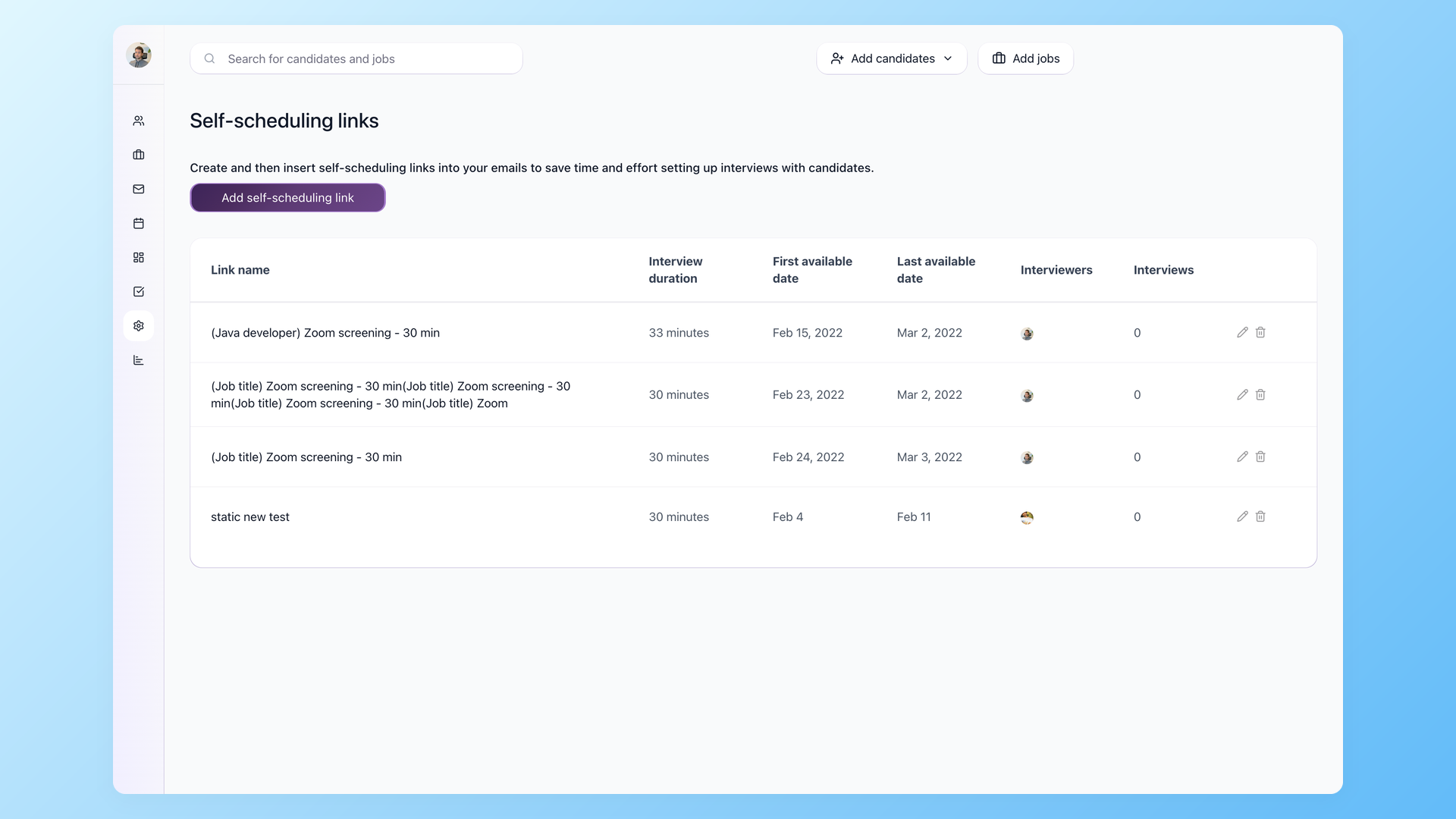
Second, a self-scheduling link with one-click cancellation for the in-person interview. Uncommitted candidates cancel the night before instead of vanishing, and your calendar stays honest. That is exactly what interview scheduling links automate.
One nuance from teams hiring storefront staff at volume: for low-signal sourced candidates, screen first and send the booking link after. Self-scheduling works best once you know the person is real.
If no-shows persist, overbook a small number of slots the way veteran owners do. It is not elegant, but it protects your time.
Step 5: Run a structured store interview instead of a gut-feel chat
Retail consultant Bob Phibbs argues that most independent owners still hire by gut instinct. The failure mode is always the same: the candidate seemed nice, had some experience, and the owner had a good feeling.
Before the interview, choose the few things that would make this person succeed on your floor: showing up on time, staying calm with a line at the register, learning products, asking for help before a mistake gets expensive. Map one question to each.
Swap "tell me about yourself" for "walk me through a typical day at your last job" and listen for step-by-step detail. Ask for a time they went out of their way for a customer, then a time they fell short. Nobody is perfect; you want someone who owns a mistake.
For store roles, add one practical scenario: the line is six deep, a customer wants a return, and the phone is ringing. What do they do first? How they think matters more than the answer.
Always ask about weekends and shift changes, even for a weekday role. You will need the flexibility sooner than you think.
Right after each interview, rate the candidate 1 to 10 on each trait. Numbers make candidates comparable a week later; vibes do not. This is the manual version of what ATS scorecards do automatically. Keep the whole conversation to 15 or 20 minutes.
Step 6: Keep candidates warm from offer to first shift
The second ghosting window opens after the offer. Owners describe candidates who finish every form, sign everything, and never appear for a first shift. The Fountain Frontline Report 2025, a vendor study of nearly 2,000 frontline workers, puts early attrition at 43% gone within 90 days.
Shrink the gap. Offer a same-week start when you can. Move paperwork online so day one is working the floor, not filling forms in the back office.
Assume the candidate is still receiving offers in that gap. The store across the street calls them the day after you do, and a signed form is not loyalty.
Then stay in touch. A two-line message two days before the start date costs nothing and beats silence.
Recruiters who hire frontline staff at scale add one more habit: lead the offer conversation with expectations, not perks. People who know exactly what the job demands are the ones still there in month four.
Step 7: Recruit before you need to
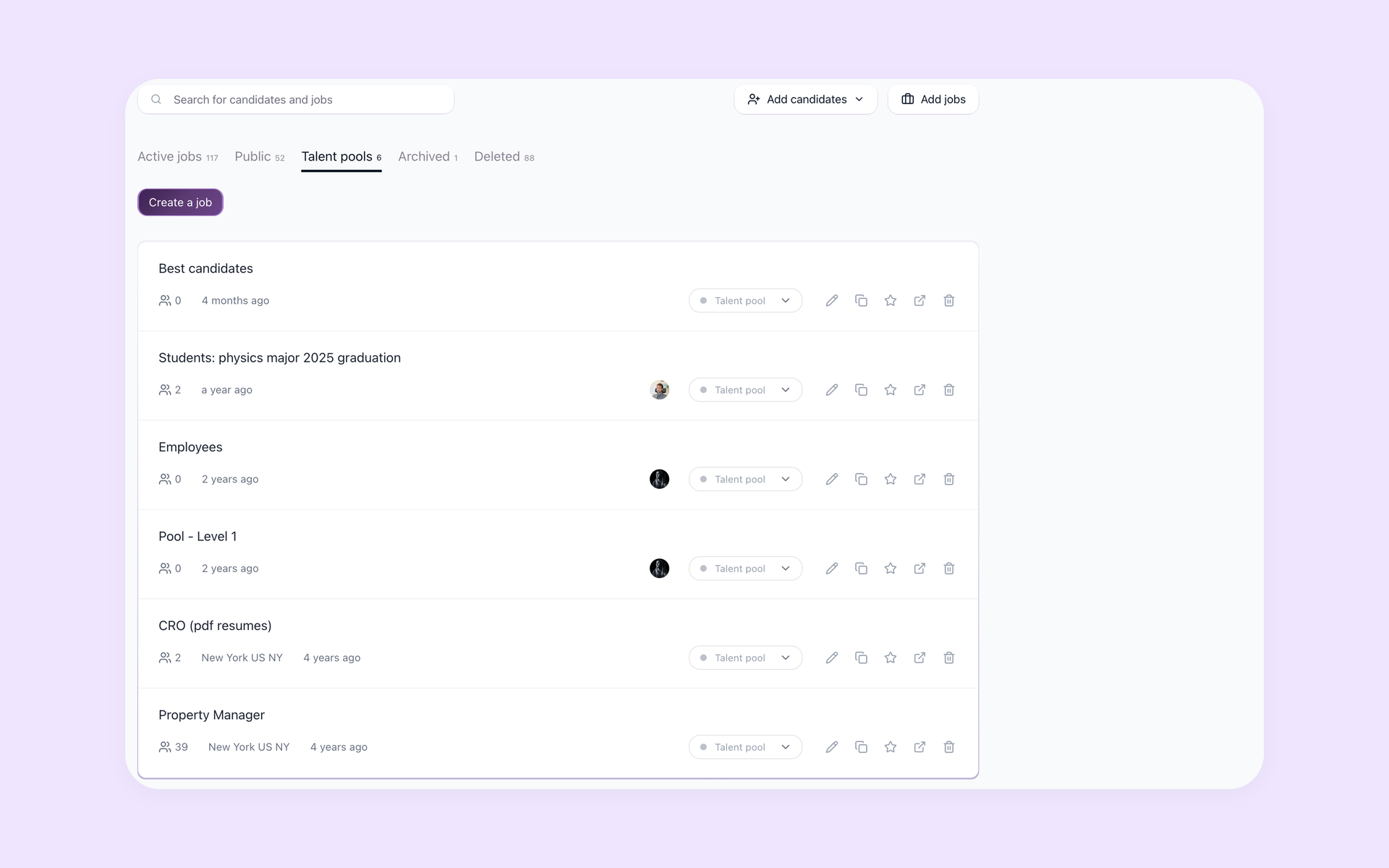
The treadmill slows down when hiring stops being an emergency. Keep a talent pool: the runner-up from your last round is your fastest next hire, and reapplicants arrive warmer than cold applicants because they already chose you once.
Past seasonal staff are the warmest pool of all. Message them two to three months before the peak, before the season's high-volume hiring rush starts. When someone quits mid-season, the first call goes to a candidate who already interviewed well, not to a new job ad.
Retention completes the process. An HR manager shared a telling comparison in an r/humanresources thread: the same store ran 110% annual turnover under one manager and 56% under the next. People leave managers. For hourly staff, a stable schedule often counts for as much as a small raise.
Every employee you retain is one fewer role you need to refill. That is why retention belongs inside the recruiting process, not next to it.
Common retail recruiting mistakes to avoid
Hiding the pay. Candidates do not negotiate with a mystery number. They skip it, and you never learn why the good ones vanished. Fix it in Step 1.
Reading resumes before filtering. Owners report losing entire evenings to unqualified applications, and the pile does not shrink because you read faster. At retail volume, knockout questions come first, resumes second. That is Step 3.
Letting silence create ghosting windows. Email ping-pong to schedule an interview, then radio silence between offer and start date: both gaps breed no-shows. Same-day responses and a check-in message close them. Steps 4 and 6.
Desperation hiring. Relief that someone can fill the schedule is how stores end up with staff who cannot sell the merchandise. The structured interview in Step 5 takes 20 minutes. A bad hire takes months to undo.
Frequently asked questions
What does a retail recruiter do?
A retail recruiter builds store teams: sourcing candidates for associate, supervisor, and management roles, screening them, and coordinating interviews with store leadership. Agency recruiters do this for a placement fee per hire; many small retailers do it themselves. For an owner running it in-house, 100Hires is where the posting, screening, and scheduling steps live in one place.
What is the 70/30 rule in hiring?
The 70/30 rule is an informal hiring guideline: hire candidates who meet about 70% of the job requirements and let them learn the remaining 30% on the job. Attitude and availability are harder to train than a register. If you run the process in an ATS like 100Hires, keep the hard requirements in knockout questions and score the trainable rest.
What are the 7 stages of recruitment?
One common model breaks recruitment into seven stages: planning the role, sourcing, screening, interviewing, selection, the offer, and onboarding. For a store they map onto this guide: the job ad, the posting channels, knockout screening, the structured interview, the scorecard decision, a fast offer, and the offer-to-first-shift window. A pipeline in 100Hires mirrors these stages so you can see where candidates stall.
Why do retail employees quit so often?
The recurring drivers are unpredictable schedules, weak store management, and pay that trails nearby employers, and Gallup found more than half of leavers say their employer could have prevented it. Management is a major one. Screening for real availability, which 100Hires handles through application questions, prevents schedule-mismatch quits before they start.
How do I reduce interview no-shows in retail recruiting?
Respond within hours instead of days, run a 15-minute phone screen first, and send a self-scheduling link with easy cancellation so uncommitted candidates cancel instead of vanishing. Reminders the day before catch the rest who simply forgot. This combination removes the two main no-show causes, slow replies and unconfirmed slots, and 100Hires automates the self-scheduling links for you.
Retail recruiting rewards the boring virtues: a wage in the ad, questions before resumes, an answer the same day, and a scorecard instead of a hunch. Run the seven steps for one hire and the next one gets easier, because by then you have a process, a talent pool, and a store that candidates actually hear back from.
Try 100Hires for free
No credit card. 14-day trial. Forbes Advisor #1 ATS for SMBs.